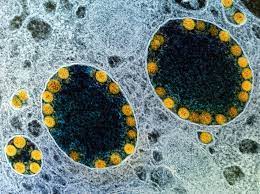
Influenza or flu is a viral infection that spreads through respiratory droplets caused by coughing and sniffling. It can cause a sudden onset fever, a runny or stuffy nose, swollen glands, sore throat, muscle pain, and joint pain.
The flu in Australia is responsible for over 5,000 hospitalizations and 100 deaths each year. Most cases are in people over 65, with less effective immune systems, and children under 5, whose immunity is still developing.
Specific vaccines for those over 65 are available to combat the loss of immunity with age. How do they work, and why are they necessary?
How does the immune system function?
Innate and adaptive immunity are two major immune systems that use multiple mechanisms to combat viral infections.
Multiple inflammatory cells and chemicals are released within hours or minutes of an infection. They stimulate the immune system to eliminate the disease.
It takes weeks for adaptive immunity to kick in. Memory T cells and antibodies-producing B cells can be reactivated by the body when it encounters viruses or other pathogens.
Our combined innate and adaptive immune response determines how well we can respond to an influenza virus.
Why is the risk of influenza in older people higher?
As we age, our innate cells are less efficient at clearing infections. They also begin to produce more inflammation.
The adaptive immune response also becomes less effective with age. Immunosenescence is the term used to describe this decline in immune function, which can lead to an increased risk of influenza, hospitalization, and death.
Some medical conditions such as cancer, heart or lung problems, and older age make people more susceptible to severe flu.
What are the available flu vaccines?
An annual flu vaccine is recommended to protect you against common influenza strains that can vary from year to year.
Standard flu vaccines for adults under 65 contain surface proteins or inactivated viruses (killed viruses) from four influenza strains, including two A stresses, H1N1, and B strains.
When vaccinated, your immune system produces antibodies in B cells that protect you from these strains.
The standard influenza vaccine, however, is less effective for older people.
Two stronger or enhanced vaccines are available for this age group. The vaccines contain the same ingredients as the standard version, but the fluid vaccine includes a more potent adjuvant called MF59 that stimulates better immunity.
The other enhanced vaccine, Fluzone, uses a fourfold higher dose of every influenza strain to boost immunity.
What are the differences?
Comparing Fluad with Fluzone shows that both vaccines produce a more robust immune response against influenza than standard flu vaccines and are likely to provide more excellent protection.
The studies that directly test for improved clinical outcomes show a slight advantage of either vaccine over the standard flu vaccine. Compared to routine influenza vaccination, this includes a modest reduction in influenza lab confirmations, hospitalizations, and emergency room visits.
There is no difference in the reduction of influenza and serious outcomes between Fluzone and Fluad, according to the few studies that compare them directly. Accordingly, the Australian Technical Advisory Group on Immunisation recommends Fluad and Fluzone.
Both have been approved by the Therapeutic Goods Administration since 2020. However, only Fluad can be obtained for free through the National Immunisation Programme for those aged 65 or older.
Only those over 60 can get Fluzone on a private prescription. It costs around A$65 to A$70.
A standard influenza vaccine can be given to older people if neither the augmented nor the routine vaccines are available. Any influenza vaccine would be preferable to none.
Flu vaccines are also administered at the same time that COVID vaccines.
What other ways can we protect ourselves against the flu virus?
Although influenza vaccination is one of the most effective ways to prevent influenza, other methods, such as wearing a mask and N95 respirator or social isolation, can protect communities.
When infected, wearing an N95 mask or respirator significantly lowers the risk that others will be infected.