Chronic stress is associated with significant adverse cardiovascular events (MACE) caused by increased stress-related neuronal network activity (SNA). Research has shown that moderate or light alcohol consumption (ACl/m), although not the exact mechanism, could be associated with a lower MACE risk.
Background
Light/moderate alcohol consumption has been associated with a lower risk of MACE than abstinence. It is not clear whether the beneficial effects of alcohol are due to alcohol or other confounding factors, such as socioeconomic standing or health behavior. It is necessary to understand these mechanisms more deeply to create novel treatments that mimic similar benefits but without alcohol’s harmful effects.
Alcohol consumption, whether light or moderate, is associated with various cardiometabolic indicators. However, none of these markers can be used to determine the impact alcohol has on MACE. Alcohol also affects the central nervous system (CNS), and its interaction with psychosocial stress may help mitigate MACE risk. The effects of chronic alcohol consumption on stress neurobiology are still not fully understood.
The study
The current study used a cohort from the Biobank that was well-characterized to test the hypothesis of a reduction in MACE caused by light/moderate drinking alcohol through attenuation of stress-related neuronal mechanisms. To do this, the effect of light/average consumption of alcohol was assessed after adjusting for clinical, lifestyle, and socioeconomic factors. Also, the impact of light/moderate consumption of alcohol on SNA at rest was evaluated.
Researchers also investigated whether this effect mediates the benefits of MACE from light/moderate consumption. Researchers also looked at the potential more substantial impact of light/moderate drinking on MACE for individuals with chronically elevated SNA.
Key Findings
Alcohol consumption and MACE risk were associated in a U-shaped pattern. Light/moderate consumption of alcohol was associated with a lower MACE risk after accounting for confounding variables, such as health behaviors, demographic and socioeconomic characteristics, and demographic and social factors.
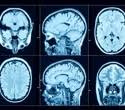
According to advanced brain imaging studies, light/moderate drinking alcohol, compared with abstinence, was associated with a lower SNA at rest. This neural effect seems to mediate light/average consumption of alcohol’s beneficial effects on MACE.
Moderate/light alcohol consumption also substantially reduced cardiovascular disease (CVD), especially among those with anxiety histories. These results suggest that alcohol consumption could increase MACE risk, and interventions that target SNAs might improve CVD outcomes. Alternative approaches are needed to reduce SNA since light/moderate drinking of alcohol can also cause non-cardiac issues, like an increased risk of cancer.
Is there a health benefit to moderate alcohol consumption?
Researchers continue to debate whether moderate or light alcohol consumption is beneficial. Researchers have often cited the presence of confounding variables as the primary reason for the lack of robust results.
After adjusting for socioeconomic factors and health behaviors in a recent study of more than 300,000, it was concluded that moderate/light alcohol consumption may reduce CVD risks. This study is a robustness test and validation for those findings.
The abstainer bias has limited previous research, causing uncertainty about the protective effects of light/moderate levels of alcohol. Researchers in this study also assessed this possibility by performing sensitivity analyses that excluded abstainers. This analysis also produced similar results.
Limitations
The present study’s observational design is a significant limitation. Even after controlling for many potential confounders, it is possible that residual confounding factors were not taken into account. Moreover, the International Classification of Diseases (ICD) codes used to classify MACE could have resulted in misclassifying events.
Dietary guidelines suggest that men should not drink more than two drinks per day, and women shouldn’t consume more than one. The survey instrument was too limited to distinguish between those who drink one glass daily and those who consume two drinks daily.
The self-reported nature of this study may have also led individuals to underestimate their alcohol consumption. The drinking patterns of study participants may have changed over time.
Conclusions
The study’s findings suggest that light/moderate consumption of alcohol may have a beneficial effect on MACE risks due to its ability to attenuate SNA. The beneficial effects of average/weak alcohol consumption were nearly twice as high among those with anxiety than those without.