Early in 2021, the recommendation for COVID vaccinations was pretty simple – you should get two doses as soon as possible. We knew a year later that a third dose would be essential to protect against the new Omicron variation.
The situation today is much more complex. Newly updated vaccines are now available. Most Australians have probably been infected with at least one Omicron strain. And waves of infection continue.
How should you time and manage your booster shots?
Why do boosters for vaccines exist?
Vaccines train our immune system to respond faster, harder, and more robustly when infected with a pathogenic bacteria or virus.
Unfortunately, the immunity gained from vaccinations tends to “wane.” Two main factors determine the extent to which vaccination protection diminishes.
The immune response to vaccines will decrease over time. Pathogens that circulate in the community may mutate and “escape” the immune system. The vaccine will provide less protection if the virus can escape.
Some vaccines require frequent boosters, while others are permanent.
Not all pathogens can tolerate or create mutations. Your childhood vaccines are highly effective against viruses (like measles) that don’t change much. You may never need to get a booster.
Some viruses, however, can change rapidly (such as influenza) and make our vaccines obsolete.
Where does COVID fit into the picture?
The SARS-CoV-2 virus, which causes COVID, has shown a rapid ability to change since its emergence in 2019. Even though a shortage of vaccines plagued Australia’s early pandemic, we are now fortunate to have a variety of vaccine options.
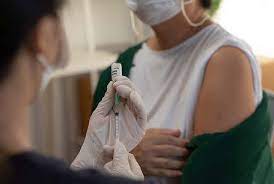
The current recommendation is to use “bivalent” mRNA boosters from Pfizer or Moderna. These boosters contain equal amounts of the original strain virus and an Omicron.
The virus is still evolving (currently, XBB strains dominate, and future updates of the vaccine composition are expected (likely to target XBB.1.5).
It’s great, but I just had COVID, so…
Are you sure? The idea of waiting in line for a PCR seems like a thing of the past. Many of the RATs in our cabinets are quickly expiring. Influenza and RSV are returning with gusto. (And cause similar symptoms).
According to our research, if you have COVID confirmed, most people will mount a robust immune response after each infection.
Once you have recovered, your immune system will be “updated” with the virus variants that caused your infection. You’ll also have higher levels of protective antibodies in your blood.
What was it? What does this mean for my COVID booster?
Here are some things to keep in mind.
There is no such thing as “too much immunity.” There are no additional risks associated with re-vaccination after infection beyond the typical side effects of vaccination.
Getting vaccinated immediately after recovering will not help boost your immunity. The current recommendations are to wait at least six months following an infection or the last booster dose before seeking a second one.
It allows your immune system to rest so it can be reactivated effectively by vaccination. You can boost your immunity with a booster to reduce your COVID risk and don’t know the cause of a recent illness.
How can we find a balance between booster shots and infection in the community?
We need more time and information to determine that.
As our communities have high immunity to both infections and vaccines, it is becoming increasingly challenging to balance the benefits and risks of COVID boosters.
In the end, it is your doctor who can give you specific advice. In general, however, those vaccinated with three or more doses, are younger (64 years and under), and are healthy will gain the least.
COVID boosters can be a valuable tool to stay healthy for those over 65 or with health issues, particularly during winter. Multiple studies indicate that booster vaccines may lower the risk of developing long COVID.
Bottom line
COVID will likely be around for a long time. We have the same tools as our old friend influenza to help us combat COVID. And even better options are coming down the pipeline to unlock more health improvements.
Stay tuned for the latest advice about additional booster vaccines from the Australian Technical Advisory Group of Immunisation.