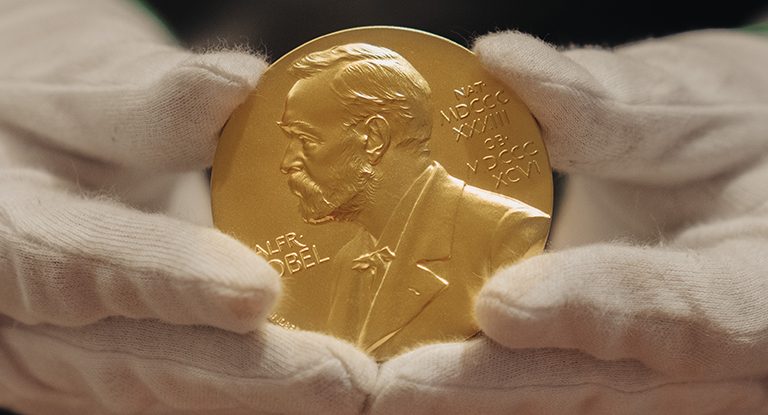
According to a recent study, winners of the Nobel Prize for Physiology or Medicine reduce their research output once they receive the prestigious award. This suggests there may be better things to do than winning the prize if you want to remain productive and relevant.
Researchers from Stanford University, California, and the University of Waterloo, Canada, analyzed data on Nobel Prize-winning between 1950 and 2009 and looked at three factors: the number of papers published, the novelty of the documents (how innovative the ideas were), and how many citations the articles received in other articles.
Researchers compared this data with people who were similar in age and had won the Lasker Award – another highly regarded medical science award. The researchers compared the data to avoid the possibility that the period could impact the results. Nobel Prizes tend to be awarded later in a person’s career when they are expected to work less.
Before receiving the Nobel Prize, Nobel Prize winners scored higher than Lasker Award-winners. The trend then reverses. Scientists who won the Lasker Award before the Nobel Prize dropped to the level of those who received the award afterward.
The researchers write, “These declines could reflect the diversionary effect of the Prize, altered incentives, or intrinsically differing career arcs” for medical researchers who have won the Nobel Prize.
After being recognized by the Lasker Award, Lasker Award recipients also experienced a decrease in productivity but not to the same extent as Nobel Award winners. In the ten years following their award, Lasker Award winners published an average of one more study per year than Nobel Prize winners.
The data analysis needs to go into more detail to prove cause and effect, but it does show an interesting pattern. The implication of the data is not that Nobel Prize winners are taking a break and kicking back, but it could lead to a discussion about the changing status of Nobel Prize winners and their impact on research.
The Nobel Prize in Medicine or Physiology gives scientists a platform to act as ambassadors of science, wrote researchers. “Laureates often take this stage.”
The Nobel Prize was founded in 1901 by Alfred Nobel. It is a great way to promote science and inspire young scientists. It is a question of whether the Nobel Prize could also lead to a decrease in high-quality, innovative research.
It’s difficult to decide, mainly because it is hard to quantify the pros and cons. The team behind the new study has proposed that scientists be recognized earlier in their career through Nobels or other awards.
The productivity effects of winning should be studied more in future work.
“Early Career Research Award” Write to the researchers.
The National Bureau of Economic Research has published a working paper about the research but it has yet to be peer-reviewed.