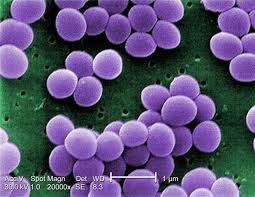
A University of Oxford-led research study provides a new and transformative insight into the emergence of antimicrobial resistance (AMR) in patients with bacterial infection. These findings, published in Nature Communications today, could be used to develop more effective interventions that prevent AMR infections from developing in vulnerable patients.
The study’s findings challenge the conventional view that people are infected with a single genetic strain of bacteria and that resistance to treatment results from the natural selection of new mutations occurring during infection. The study’s findings suggest that patients are often co-infected with multiple pathogen strains, and resistance results from selection against pre-existing resistant strains, not new mutations.
Researchers used a novel method to study changes in genetic diversity and resistance to antibiotics of a pathogenic bacterial species ( Pseudomonas aeruginosa) collected from patients before and after antibiotic treatment. The samples were collected from 35 intensive-care unit (ICU) patients at 12 European hospitals. Pseudomonas is an opportunistic bacterium that causes hospital-acquired infection, especially in critically ill and immunocompromised patients. It is estimated to cause over 550,000 deaths worldwide each year.
After being admitted to the ICU, each patient was tested for Pseudomonas aeruginosa, and samples were collected regularly afterward. Researchers used a combination of genomic analyses and antibiotic challenge tests to quantify bacterial diversity within patients and resistance.
Most patients (approximately 2/3rds) in this study were infected with a single strain of Pseudomonas. AMR developed in some patients due to the spread of new mutations during infection. This supports the conventional model for resistance acquisition. The authors were surprised that a third of the patients had multiple strains.
Patients with mixed strains of infection were more resistant to antibiotics than patients with single songs. Natural selection favored resistant strains present before antibiotic treatment began. These strains were usually a small minority of the pathogens present when antibiotic treatment began, but their antibiotic-resistance genes gave them an advantage.
The findings indicate that AMR may be more prevalent in multi-strain infections. However, it could also be more easily lost in this situation. AMR strains grew slower in cultures of samples from patients with single stresses and mixed strains when antibiotics were absent. This supports the theory that AMR genes are associated with fitness trade-offs and are therefore selected against in the absence of antibiotics. The exchanges in mixed-strain populations were more significant than those in single-strain people. Host diversity may also be a factor in the reduction of resistance to antibiotics.
Researchers have found that interventions that limit the spread of bacteria among patients (such as improved sanitation and infection-control measures) are more effective in combating AMR than preventing resistance mutations from arising during an infection, like drugs that reduce the bacterial mutation rate. This will be particularly important in areas with high infection rates, like patients with compromised immune systems.
These findings suggest that tests for pathogens should be geared towards capturing the diversity and not just a few pathogen isolates. (This is based on the assumption of a clonal pathogen population). The findings could allow for more accurate predictions about whether or not antibiotic treatments are successful in individual patients. This is similar to the way that measurements of cancer cell diversity can predict chemotherapy success.
He said: “The diagnostic methods we use to study antimicrobial resistance in patient sample have changed very slowly in time. Our findings highlight the importance of developing a new diagnostic method that will make it easy to assess the variety of pathogens in patient sample.”
According to the World Health Organization, AMR is one of the ten most serious global health threats to humanity. AMR is when bacteria, viruses, and parasites no longer respond to antibiotics. This makes infections more difficult to treat or even impossible. The rapid spread of pathogenic multi-resistant bacteria resistant to all antimicrobials is a significant concern. AMR caused nearly 5,000,000 deaths in 2019.
Professor Willem van Schaik (Director of the Institute of Microbiology and Infection, University of Birmingham), who was not directly involved in the study, said: “This study strongly indicates that clinical diagnostic procedures should be expanded to include multiple strains from patients, to accurately capture genetic diversity and the antibiotic resistance potential of those strains which colonize critically ill patient.” The study also emphasizes the importance of ongoing efforts to prevent infection to reduce the risk of hospitalized patients being colonized and then infected by opportunistic bacteria during their stay.
Sharon Peacock is a Microbiology and Public Health Professor from the University of Cambridge. She was not involved in the study. This study further proves the importance of infection control and prevention measures in ICUs and hospitals. These measures reduce the risk of P. The findings of this study add further evidence for the vital importance of infection prevention and control measures in ICUs and hospital settings that reduce the risk of acquiring P.