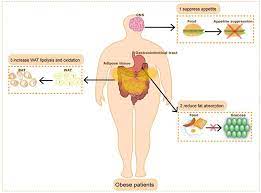
Researchers at Mayo Clinic examined the effectiveness of different weight loss approaches in a study that involved 165 participants: standard lifestyle interventions and personalized therapy. The definitive lifestyle intervention included reduced dietary intake, behavior therapy, and exercise. The individual approach was based on phenotypes, and different interventions were formed depending on the predominant cause of obesity. Diets based on phenotypes consider a person’s genetics and phenotypic traits to create a customized eating plan that optimizes health and well-being.
Researchers compared the effectiveness of diet and lifestyle interventions tailored for obesity phenotypes versus standard lifestyle interventions in weight loss, cardiometabolic factors, and physical variables contributing to obesity. Cardiometabolic health is the connection between the heart, blood vessels, and the body’s chemical and energy processes. This includes a variety of disorders and factors that can lead to metabolic syndrome and heart disease.
The phenotype-tailored interventions led to more significant weight loss in adults with obesity than standard lifestyle interventions such as a reduced calorie diet, physical activity, and behavior therapy.
Results after 12 weeks include:
- The treatment of obesity was better for patients who received phenotype-tailored lifestyle intervention than standard lifestyle interventions.
- The group focused on phenotypes with more significant weight loss and reduced waist circumference. They also had lower triglycerides.
- The percentage of lean mass increased significantly.
- The number of calories needed by the body to rest was also less.
What is a phenotype-tailored intervention?
- The three main obesity phenotypes include the following:
- Homeostatic eating is eating to satisfy a brain-perceived energy need.
- Hedonic eating is consuming food for pleasure, not to satisfy physical hunger or energy requirements.
- Abnormal energy expenditure (the number of calories burnt in 24 hours as compared to an average person)
- These areas can be divided into four actionable phenotypes: abnormal fullness (measured by the number of calories consumed to experience unpleasantness); abnormal duration of feeling full; emotional eating behaviors; and irregular resting calorie expenditure.
- Researchers reported that those who adopted the lifestyle interventions tailored to phenotypes showed improvement in certain areas, such as emotional eating and abnormal feeling of fullness.
- The study results show that a phenotype-based approach is needed to classify patients undergoing obesity treatment, rather than just relying on their weight, their body measurements, or whether they suffer from obesity-related illnesses such as high blood pressure, heart disease, and certain cancers.
Research Opportunities
- Dr. Acosta believes that more research is required to evaluate the long-term effects of a phenotype-based approach. Further studies must examine other physical and metabolism variables to understand those without a phenotype better.
- Dr. Acosta notes that therapy effects on both approaches should be evaluated independently. The people with emotional eating received a more intensive intervention with 24 sessions of behavior modification to address this trait which may play a significant role in obesity.
- “More data will improve the tailored approach,” Dr. Acosta says. We will continue working on individualized obesity treatment directed at specific characteristics to identify the best therapy for each patient.