Particular food or dietary patterns may help you control your asthma. Some foods can make asthma worse. You can feel the effects within hours, depending on what you eat.
Asthma, inflammation, and allergy
Asthma affects about one out of ten Australians. (2.7 million). It is the fourth most common chronic disease (permanent) in Australia.
Asthma can be described as an inflammatory condition. As a result of exposure to specific triggers, such as dust, respiratory viruses, or exercise, the airways leading into the lungs can become inflamed. The airways leading to the lungs become inflamed and narrowed.
Researchers are increasingly aware that a person’s diet may affect asthma symptoms. This includes how frequently they experience an attack.
Fruit and vegetables get thumbs up.
Children with asthma or not are more likely to experience less wheezing when they consume a Mediterranean diet high in vegetables, fruit, and oily fish. Some studies, but not all of them, found that this effect was independent of the child’s BMI or socioeconomic status.
Adults with asthma should also eat a high-fruit and vegetable diet. In two studies, adults were told to eat less fruit and vegetables. They were instructed to consume only one or two servings of fruits and vegetables daily.
Why could a diet rich in fruits and vegetables or the Mediterranean help? Researchers believe people eat more antioxidants, soluble fiber, and anti-inflammatory foods.
- Antioxidants neutralize free radicals. They are damaging molecules that can be produced by inflammation.
- Soluble fiber is fermented in the gut by bacteria, resulting in short-chain fatty acids such as butyrate, acetate, and propionate. Reduces inflammation.
The Mediterranean diet also contains many omega-3 fatty acids (found in oily fish such as mackerel, salmon, and tuna). Reviewed five studies that investigated the intake omega-3 (in diet or as a supplement) by adults with asthma. The studies did not show any benefits associated with omega-3 in asthma.
There is no harm in eating foods rich in omega-3, such as flaxseeds and walnuts. This also has many other benefits, such as decreasing the risk of heart disease.
Red meat, sugar, and saturated fats are all a no-no.
Fast foods like sausages, biscuits, pastries, chocolate, and other highly processed foods contain saturated fats.
Asthma symptoms can be worsened by a diet high in sugar, red meat, and saturated fats.
One study showed that a diet rich in these foods increases the number of attacks among adults.
In as little as 4 hours, foods high in saturated fats can have a negative impact.
In one study, researchers compared the effects of eating a high-fat meal (consisting of two hashbrowns, a breakfast muffin with sausage and eggs, and a muffin with sausage) with a low-fat meal.
Within four hours, the lung function of people who consumed a meal rich in saturated fat was reduced. Their puffer also became less effective within four hours.
An increase in inflammation likely caused this worsening of symptoms. Researchers found that the number of immune cells called neutrophils increased around four hours. Neutrophils are involved in inflammation.
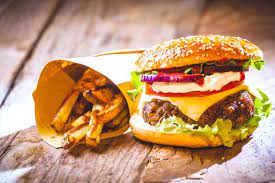
If you have asthma, occasionally indulging in a sneaky hamburger or some hot fries is OK. Knowing that these foods may affect asthma will help you to make better choices.
What about dairy products?
Dairy products are one food you do not have to avoid.
Evidence shows that this is not true. One study of adults with asthma showed that drinking milk is linked to improved lung function.