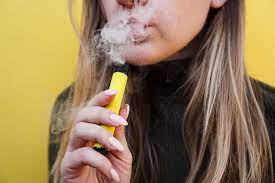
My short answer is, “What’s in disposable vapes, e-liquids, or e-cigarettes?
The vast array of products, flavors, and ingredients on the market complicates this question. Ingredients can change when heated or interact, and there are inadequate labels.
Vapers need to know what they inhale and are unsure of their health effects.
What do we Know?
There are some similarities between the results of different laboratories despite these complexes.
Ingredients in cigarettes include nicotine, flavoring chemicals, and liquids that contain them, primarily propylene glycerine and glycerine.
It is a concern. We also find particulates, volatile organic compounds, and carcinogens, many of which are known to be harmful.
Our previous research also found 2-chlorophenol to be present in approximately half of the liquids that users purchase to refill re-fillable electronic cigarettes. This chemical is an example of one with no legitimate reason for being present. It’s classified globally as “harmful when inhaled.” The presence of this substance is most likely due to contamination in the manufacturing process.
What about polonium?
Radioactive polonium 210 has been a topic of discussion in the media in recent weeks. This is the same substance used in 2006 to kill former Russian spy Alexander Litvinenko. The Queensland government has begun testing vapes.
Polonium 210 is found in tobacco products and traditional cigarettes. This is because tobacco plants can absorb it and other radioactive substances from soil, air, and high-phosphate fertilizer.
It remains to be determined if polonium 210 is present in the aerosols created by e-cigarettes. The glycerine used in e-liquids comes from plants, and similar fertilizers were used to grow them.
The ingredients are not the only thing that matters.
The materials used to make e-cigarettes can also end up in the body.
Toxic Metals and Related Substances can be detected both in e-liquids and in vapers’ saliva, urine, and blood.
These substances may pose serious health hazards (such as cancerous). These substances can be leached from the heating coil, wires, and soldered joints of e-cigarettes.
There’s more!
The chemical composition of e-liquids is also altered by heating them to create aerosols.
Included are:
- Formaldehyde is a substance that is used to embalm corpses.
- Acetaldehyde is a substance that can cause a hangover when drinking alcohol.
- Acrolein is a herbicide used in the First World War as a chemical agent.
These chemicals are frequently detected in e-cigarette samples. Different devices measure levels.
Many times, these levels are so low that proponents of vaping claim e-cigarettes are safer than smoking tobacco.
This argument fails to acknowledge that many electronic cigarette users (particularly teenagers) are or were cigarette smokers. Therefore, a more accurate comparison would be between using e-cigarettes and breathing in “fresh” air.
E-cigarette users are exposed to more harmful chemicals and toxins than non-smokers. Vapers are generally not warned about the dangers of smoking tobacco cigarettes, as are people who purchase them.
What about the labeling?
There are also no warnings or other information on the labels.
The labeling of e-liquids often needs to be more accurate. The nicotine concentration in liquids can be quite different from what’s on the label. “Nicotine-free” beverages can often still contain nicotine.
The products are also labeled with generic flavor names, such as “berry” and “tobacco.” The user has no idea what chemicals were used to create the “tobacco,” “berry,” and “citrus” flavors or how these chemicals may change with heat and interaction with other ingredients or device components. The “Berry flavor could be made using over 35 chemicals.
Flavoring chemicals can be classified as “food grade” (or safe to eat). Inhaling, heating, and mixing them with e-liquids is a different exposure than eating them.
This is an almond flavoring. Inhaled, this can affect lung cell immune function. It could reduce the ability of a vaper to fight off other respiratory infections or inhaled toxins.
Benzaldehyde, one of Australia’s eight banned liquid ingredients, is only one of them. We need to learn more about the effects of inhaling other flavoring chemicals and their interactions with e-liquids.