Researchers at the University of Arizona Health Sciences have received a grant of $13.1 million from the National Institute on Aging. The money will be used to continue research aimed at rejuvenating older people’s immune systems in order to improve their health throughout their lifespan.
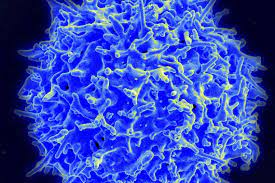
Infection, cancer, and certain autoimmune diseases affect older adults in a disproportional way. As a person gets older, the body produces less T-cells. T cells are white blood cells that are essential for the immune system.
The National Institutes of Health-funded research aims to advance a fundamental understanding of T cell aging and to develop interventions that improve immune defense. The program is made up of four cores and three research studies that are spread across multiple sites in the United States.
This program is an excellent example of team science that has been integrated and coordinated. “We exchange ideas and results and troubleshoot one another’s experiments,” Nikolich said, who is the leader of two strategic initiatives at UArizona Health Sciences: Personalized Defense (personalized defense) and Aegis Consortium. Everyone is working on separate projects, but they all benefit from the discoveries made by everyone.
Jarrod Dudakov, Ph.D., associate Professor at Fred Hutchinson Cancer Research Center and affiliated associate professor at the University of Washington, is leading the first project. The team hopes to improve their understanding of the way in which the thymus repairs itself and responds to injury.
This ability to bounce back from an acute injury, such as that caused by shock, infection, or chemotherapy, deteriorates over time. The project will concentrate on improving thymic regenerative capacity in older people, which may lead to clinical approaches that enhance the immune system.
Lauren Ehrlich, Ph.D., professor of biosciences, molecular biology, and oncology at the University of Texas at Austin, is leading the second project. The project will look at how the composition of thymus cells changes with age and whether this could affect the number and quality of T-cells developing.
The third project, “Peripheral aging and defects in T cell maintenance,” focuses on the effects of aging on lymph nodes. This project is a part of Nikolich’s ongoing studies on how the decline of naive cells affects the immune system. The thymus produces immature T cells, but they need the support of the lymph nodes in order to function properly.
Nikolich is a member of the BIO5 Institute of the University. “Our research shows that defects in lymph nodes can undermine the benefits from reactivating T cell production in thymus,” he said. Even if we are able to generate an abundance of high-quality cells, the lymph nodes will still be impaired. They won’t be able quickly to react and respond to an infection.”
Age-related vulnerability begins to show between 40 and 50. In the 60s and 70s, immune system declines were more pronounced. Nikolich said that interventions to improve the T cells and immune system would greatly benefit older people’s quality of life and reduce their health care costs.