Sydneysiders have been urged to remain vigilant against legionnaires disease following the recent outbreak of the respiratory illness.
NSW Health has issued a warning for New Year’s Eve revelers, as well as the hundreds of thousands of people who have entered the CBD over the last ten days, to be on the lookout for symptoms such as fever, chills, and shortness of breath.
NSW Health announced on Wednesday that all seven patients, ranging in age from 20 to 70, were admitted to the hospital to receive treatment.
The city is inspecting hundreds of cooling towers for water contamination.
How can you tell if you are at risk?
What is Legionnaires’ Disease?
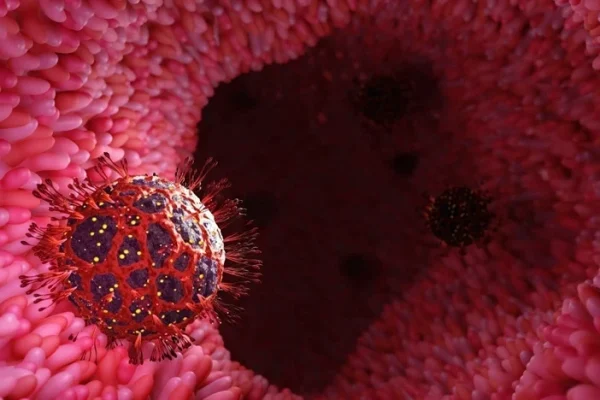
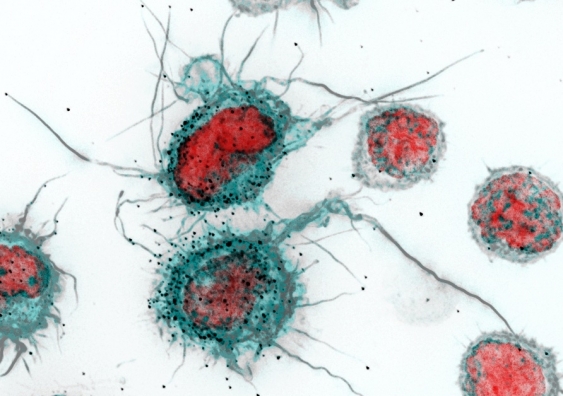
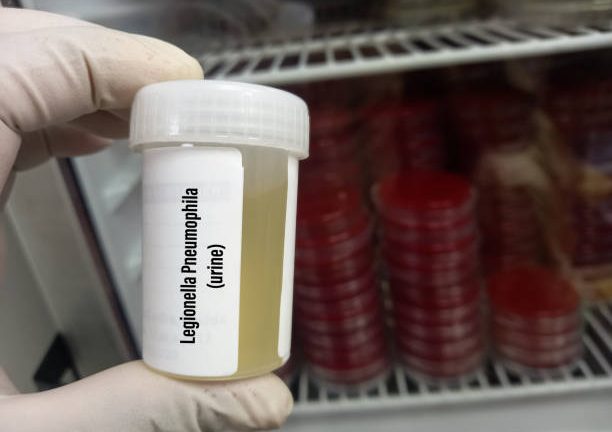
The lung infection caused by legionella bacteria is Legionnaires disease.
Dr Richard Bentham, adjunct associate professor at Flinders University, said that the bacteria legionella develops when warm water particles are found in cooling towers and spa baths.
Bentham, a SBS News reporter, said: “Cooling Towers are found on large buildings throughout cities… They produce a mist known as drift which comes out of the top and carries bacteria along with it.”
Initial symptoms, he said, include a cough that is dry and tired, followed by a fever.
The symptoms of muscle aches, fatigue, nausea, and stomach aches can be experienced by people with pneumonia
Immunosuppressed patients have a higher mortality rate.
Who is most at risk?
Smokers, smokers, and people older than 50 are at the highest risk.
Bentham explained that the severity of an illness is dependent on how well a person can cope with it. He also said, however, that it’s not contagious and cannot be transmitted by other people.
If you feel unwell and have a dry cough or a little fever, see your doctor immediately. He said that the sooner you get it treated, the better.
Wearing masks and visiting your doctor early to prevent the outbreak are the best ways to protect yourself.
The symptoms usually appear between 2 and 10 days following exposure. Antibiotics are used to treat the disease since penicillin-resistant bacteria cause it.
How does it spread in the potting mix?
Bentham, associate director at Built Water Solutions and a consultant on legionella risks, says a secondary form of legionella is found in soils or potting mixes.
After 54 reported cases, NSW Health issued a warning to gardeners in September, urging them to use gloves and masks when handling mulch, potting mix, or compost.
Inhaling dust from contaminated potting mixes can lead to lung infections. Wetting the potting mixture down will reduce this dust.
You can also reduce your exposure by washing your hands after touching the soil, especially before you eat, drink, or smoke.