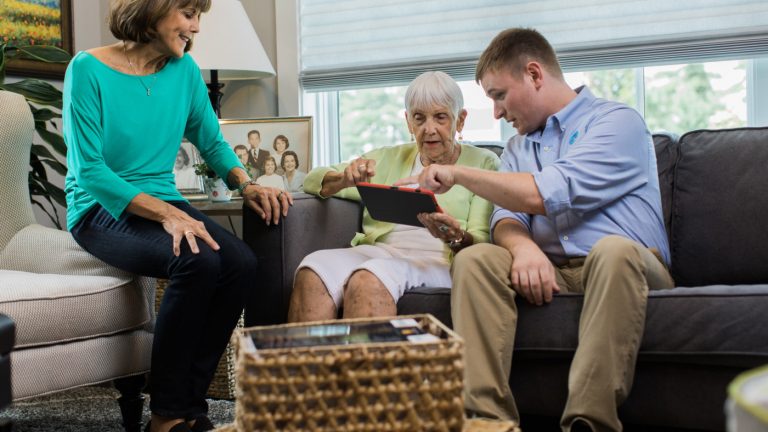
Being a carer for a loved one can be very rewarding, but it is also often demanding and requires emotional and physical strength. Several carers spend extensive hours providing for loved ones in need. This dedication can take its toll on their health, emotional well-being, and daily life over time. Respite care provides carers with a break and allows them to rejuvenate. That preparation equips families with the tools to respond to unexpected challenges.
Understanding Respite Care
NDIS respite care provides a temporary break for participants and their carers. This flexible support is typically funded for up to 28 days per year and can be used for stays ranging from a few hours to a maximum of 14 consecutive days. During this time, professional supports ensure the participant’s daily needs are met, allowing family members to rest or attend to personal affairs. The goal is to sustain the caring relationship and maintain balance for everyone involved.
The Physical Impact on Carers
Offering continued support can strain the body. Every day, physical work is needed for tasks like walking, cooking, or managing medication. After a while, this continual USE OF the same muscles can result in exhaustion and muscle tension. Respite services also keep health problems at bay and provide a means for carers to physically recharge.
Emotional Well-being and Mental Health
Assisting someone who continually needs it can result in burnout or strain. Family carers often feel alone and overwhelmed by round-the-clock care. While allowing the person receiving care time to relax and do the things they love, respite care also allows the person providing the care to get some fresh air. They provide enough distance to prevent emotional and physical burnout.
Strengthening Family Relationships
Family tension may arise from care responsibilities. Differences of opinion, fatigue, or stress can strain relationships between loved ones. Carers should take regular breaks to give themselves a chance to relax and take a step back.
Benefits for Participants
Carers are not the only ones who benefit; so do those who receive care. New carers reinvigorate the routine with their energy. That variety can enhance the experience for people who require assistance and provide them with more social contact. Family carers come back refreshed and eager to take on the role again.
Encouraging Self-Care and Personal Growth
Carers often choose to put aside their needs to take care of others. Sometimes, they may even neglect self-care. Respite care allows them to take up learning, relax, or engage in activities they enjoy. Ongoing self-care is also essential to avoid burnout and relieve stress. It helps them maintain a positive attitude and the ability to perform long-term caregiving roles.
Reducing the Sense of Isolation
Caregiving often involves long periods of being alone at home, which can cause isolation and loneliness. Mental well-being and resilience depend on social connections. Respite services can allow people to rekindle friendships or attend activities in the community. These experiences make carers realise that they do not have to deal with these feelings alone, and that support is available from those around them.
Preventing Burnout and Sustaining Care
Without sufficient breaks, carers can experience burnout and lose the passion for their role. This strain affects everyone involved, including the person receiving support. Scheduled respite care prevents this by allowing carers to reset, ensuring they can maintain high standards of care and continue their work long-term.
Conclusion
Respite care is an essential service that provides short-term relief for carers and their loved ones. It helps maintain a physical, mental, and emotional balance. Taking regular breaks fosters personal development, reduces feelings of isolation and loneliness, and helps prevent burnout. These planned breaks make sure that the care structure remains resilient and does not break down during a crisis. Ultimately, respite care ensures that the very foundation of the caregiving relationship remains healthy and that participants are properly cared for.