Introduction
Operational efficiency depends on how quickly, safely, and consistently materials move through a facility. Manual handling can create delays, increase labour demands, and cause avoidable product damage. Conveyor manufacturers help businesses address these pressures with equipment that supports steady movement between workstations, storage areas, loading zones, and production lines. The right system can reduce wasted motion, improve output, and give staff more time for skilled tasks. These gains support stronger service, safer workplaces, and better cost control.
Selecting the Right Engineering Partner
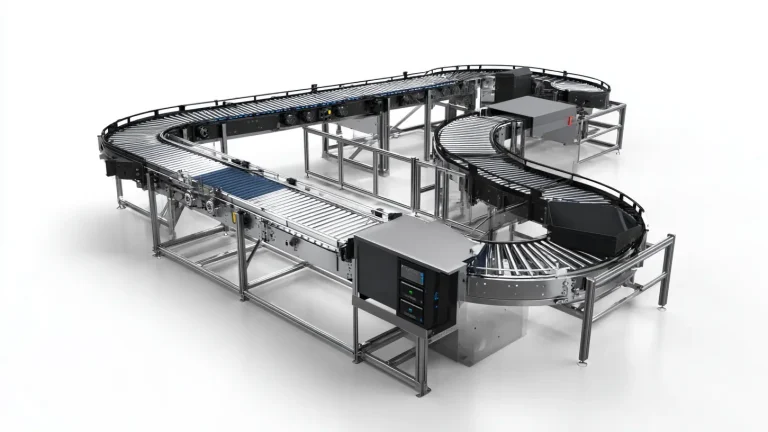
Businesses need equipment that suits their products, floor plan, throughput, and operating conditions. Experienced conveyor manufacturers in Melbourne assess these factors before recommending a system. Their work may include belt, gravity roller, powered roller, slat chain, pallet, trough, flexible, or overhead equipment. This process helps each solution match load size, movement speed, access points, cleaning needs, and future production goals.
Reducing Manual Handling
Manual lifting and carrying can consume valuable hours across warehouses, workshops, and factories. A conveyor transfers items through repeated stages with less physical effort from employees. Staff can focus on quality checks, order preparation, assembly, or machine supervision. Reduced lifting also lowers strain risks, especially where cartons, components, or finished goods move frequently throughout each shift.
Improving Product Flow
A clear movement path prevents unnecessary stops between receiving, processing, packing, and dispatch. Conveyors create predictable transfer points, helping teams organise work around a stable sequence. Powered rollers can maintain controlled travel for heavier loads, while belts suit packaged products or loose materials. Consistent movement supports accurate scheduling and reduces congestion near busy stations.
Choosing the Right Conveyor Type
Each product and task creates different handling requirements. Gravity rollers suit cartons that can move across a slight incline, while powered units provide active control for variable loads. Belt models support irregular items and continuous travel. Slat chain systems handle containers that need a firm, stable surface. Flexible equipment can serve temporary layouts, loading areas, or changing workflows.
Supporting Workplace Safety
Well-planned handling equipment can reduce awkward reaches, repeated lifting, and traffic conflicts. Safety cables, guards, emergency stops, and suitable access points add protection around moving parts. A professional supplier can account for operator positions, cleaning routines, maintenance access, and emergency procedures. Safer movement patterns may reduce incidents while helping employees work with greater confidence.
Controlling Operating Costs
Efficiency gains become clearer when a business measures labour hours, stoppages, damage, and maintenance spending. Automated transfer can reduce the staff time required for routine movement. Durable components may also limit replacement frequency when equipment receives suitable care. Preventive inspections help identify worn rollers, belts, bearings, or chains before a minor issue interrupts an entire line.
Using Available Space Better
Floor area often limits production capacity. Conveyor layouts can connect separate stages without requiring extra storage or repeated vehicle trips. Inclined, overhead, and curved sections help use vertical areas or route products around fixed obstacles. A carefully planned arrangement can shorten travel distances, improve visibility, and keep pedestrian paths separate from material movement.
Planning for Future Growth
A system should support current demand while allowing practical changes later. Modular sections, adjustable supports, and accessible drive components can simplify extensions or alterations. Businesses may add packing stations, storage lanes, sensors, or additional transfer points as volumes increase. Early planning helps prevent costly replacement and keeps later improvements compatible with the original installation.
Measuring Efficiency Gains
Useful performance measures include items moved per hour, average handling time, line stoppages, staff hours, and damage rates. Comparing these figures before and after installation shows whether the equipment is meeting its purpose. Managers can also review energy use, maintenance calls, order accuracy, and employee feedback. Clear data supports informed adjustments and guides future investment decisions.
Conclusion
Conveyor manufacturers help businesses improve operational efficiency by connecting people, processes, and products through a controlled movement system. The strongest results come from matching equipment with load characteristics, site conditions, safety needs, and growth plans. Reduced handling effort, steadier throughput, improved space use, and lower disruption can strengthen daily performance. With suitable maintenance and regular measurement, a conveyor installation can deliver lasting value across manufacturing, warehousing, food processing, construction, and distribution operations.