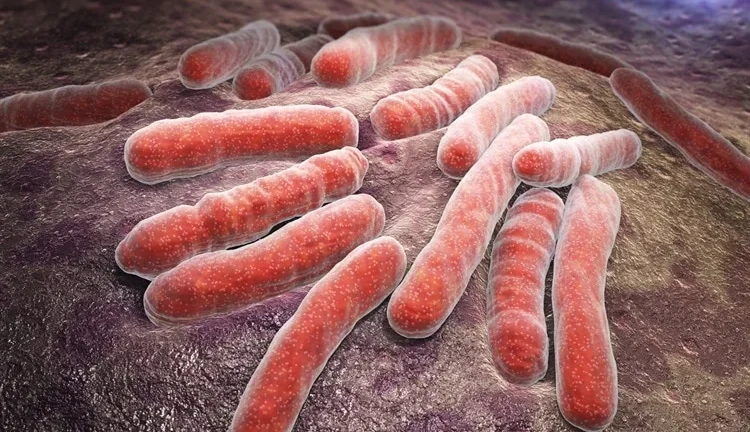
Robert Koch was the first to discover Mycobacterium tuberculosis in 1882. This deadly disease has claimed many lives around the globe and has also caused financial hardship for many families and the healthcare system. Scientists have developed effective treatments and preventive measures to address this problem.
Background
European countries established the Sustainable Development Goals (SDGs) in 2015. They aimed to eliminate TB by 2030. In September 2018, however, global leaders agreed to a bold target of eliminating TB by 2022 at the United Nations General Assembly High-Level Meeting on the Fight Against TB. They figured that increasing access to TB treatment would be a critical factor in achieving their goal. To help accomplish the TB eradication goals, another measure was to increase the funding for TB research and related services.
The World Health Organization (WHO) observed some European regions making slow progress in TB eradication goals by 2030. While most Western European countries are on track to eliminate TB, some countries in Eastern Europe and Central Asia reported high levels of drug-resistant (DRTB) TB.
The European Union/European Economic Area (EU/EEA) has a low TB prevalence. According to TB surveillance in Europe, 24 countries reported less than 10 TB cases per 100,000 people in 2021. These countries were encouraged to keep this low rate and reach the pre-elimination stage of fewer than 10 cases per million people yearly. A recent Eurosurveillancejournal editorial addressed the progress made in the EU/EEA between 2018 and 2021 towards achieving the 2030 targets.
Learn about the Results
During the study period, there was a decrease in TB incidence within the EU/EEA. The authors also highlighted low-incidence countries’ difficulties, including low TB treatment effectiveness for people with DRTB. Around 22% of TB cases worldwide have been linked with multidrug-resistant or rifampicin-resistant TB (MDR/RRTB). Many DR-TB patients are also found in Europe.
One in three European pulmonary TB patients was resistant to rifampicin. Some also showed resistance to fluoroquinolones. MDR/RRTB treatment had a 57% effectiveness, lower than the regional target of 85%. Additionally, 13% of new TB cases in 2021 were discovered to have been infected with the human immunodeficiency virus (HIV), compared to 9.7% in 2015. This suggests a rise in TB-HIV coinfections in recent years.
The authors highlighted many reasons why the 2015 targets for TB elimination were not met in 2018, despite having set them in 2015. One reason was the 2019 coronavirus disease (COVID-19) pandemic. The negative results of the previous years, including the control and elimination of MDR/RRTB and TB/HIV coinfections, were ruined by this pandemic. The pandemic and fragmented strategies, and the inability to develop collaborative strategies contributed to slowing down TB eradication worldwide and in Europe.
Many European countries managed to surpass the End TB strategy milestone in 2020 of a 20% cumulative decrease in TB incidence compared to the 2015 baseline. However, the COVID-19 pandemic halted the progress. This pandemic led to increased deaths from TB infection, a higher transmission rate, and increased TB cases.
Another factor contributing to the TB elimination goal was the ongoing conflict in Ukraine. Due to the limited access to treatment and diagnosis and population movement, there is a higher risk of HIV/RR-TB in Europe and Ukraine.
WHO and ECDC recommended that all Ukrainian refugees at risk of contracting TB (e.g., those living with HIV or in close contact with TB patients) be screened regularly. This war has harmed the ability of governments to finance TB services.
Advancements and limitations in TB treatments
New tools are available to control and prevent TB in Europe. The duration of TB treatment has significantly decreased, with a mean of 6 months for MDR/RRTB treatment. Injection-free regimens have also increased treatment coverage. Digital health solutions, rapid molecular diagnostics, and innovative service-delivery methods are all helping to transform the TB response.
TPT is the most effective approach to eliminating TB. It will take a lot of effort and money to provide TPT to 450,000 European Region residents between 2023-2030. The lack of TB medicines, limited TPT regimes, and a shortage of novel treatments for MDR/RRTB have all hampered progress toward ending TB in Europe.