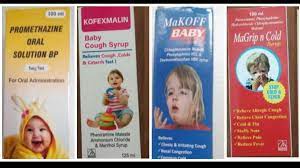
Many parents are preparing for cold and flu season as winter approaches. Most children get at least six colds per year.
Traditionally, parents would reach for cough syrup when their child had a chesty or dry cough.
We now know that cough syrups don’t work very well to treat children’s coughs.
In response to the growing evidence that poisoning and death can cause harm, many countries, including Australia, have banned cough medicine for children under six.
What is in cough medicine?
The active ingredients in cough medicines vary according to their intended use. Cough suppressants can dampen the body’s reflex of coughing expectorants or mucolytics.
Many other medicines for colds and flu contain decongestants, which relieve blocked noses. They also often contain sedating antihistamines that relieve sneezing and stop runny nasal passages.
The most dangerous are medications that have a soothing action. Examples include sedating antihistamines and opioid-based cough suppressants. Although sedation is often desired by parents of a child who cannot sleep, it can be dangerous for young children. Sedatives may also cause hyperactivity and agitation.
There are few studies on the safety and effectiveness of cough syrups for children. Overuse of the product has been associated with adverse events such as agitation and psychosis.
Parents may overuse the product because they misread the label or intentionally use it more in hopes that it will work better. They can also accidentally take extra doses and use inaccurate measuring devices like household spoons.
What are the restrictions on cough syrups?
The most vulnerable children are those under the age of two. The Australian drug regulator warns against the use of cough syrups by children under six years old. There are no instructions on how to dose these products for children younger than six years.
There are cough syrups for adults and older children. The pharmacist will likely ask about the patient’s age and advise on dosage and proper use.
The Medical Journal of Australia published our research today. It shows that restricting children’s use of cold and cough medicines significantly reduces poisoning.
The study examined dosing mistakes, adverse reactions at the correct dose, and “exploratory intakes,” such as when toddlers help themselves to medicine cabinets.
The government mandated labeling changes for these products in 2012 and 2020. Labels for cough and cold medications could not list dosage instructions for children younger than six in 2012, and they had to include additional warnings. Warnings will be placed on antihistamines that contain sedating agents in 2020. These warnings state that they should not be given to children younger than two years old for any reason, including allergy or hay fever.
The rate of poison centers, calls, and hospitalizations was halved. Even so, Australian poison centers receive hundreds of calls annually about these products and young children.
When is it okay to use cough medicines?
Most of the reported harm is in young children. It is probably because of their small size. This means that it takes less medicine for damage to occur. Also, their developing brains make them more susceptible to sedatives.
Caution is still required. These products are only used in consultation with a physician, pharmacist, or nurse practitioner.
There are herbal products available for children. One example is Hedera Helix (ivy Leaf Extract). There is no evidence that these medications improve symptoms of cough. The risk of poisoning from cough syrup is shallow.
The placebo effect is responsible for up to 85% of the effectiveness of cough medicine. It could be because the syrups coat the throat, dampening any tickling sensation.
What can I do to help my child?
Rest and reassurance are the best things you can give your child.
Antibiotics may be prescribed if a doctor diagnoses acute pneumonia or chronic cough caused by a bacterial infection such as whooping cough, protracted bacterial lung abscess, or lung abscess.
If your child has a fever, pains, and aches along with a cough, you can use ibuprofen or paracetamol. The packaging will tell you the proper dosage for your child based on their weight and age.
Honey can be given to a child older than 12 months with a wet, phlegmy-producing cough. Honey is reducing the amount of coughing, according to growing evidence.