The global burden of cardiovascular disease has increased due to increased consumption of Western diets high in saturated fats, salt, and sugar. The leading cause of mortality worldwide is cardiovascular disease (CVD). In 2019, approximately 17,9 million people worldwide died of CVDs. This accounted for 32% of all deaths. Eighty-five percent of the deaths in 2019 were due to a heart attack or stroke.
Natural products have been used to treat many diseases for centuries. Recent attention has been drawn to the cardioprotective properties of black pepper and taurine, which are based on their anti-inflammatory and antihypertensive properties and their antioxidative and antiatherosclerotic effects.
Scientists recently reviewed the literature to determine if combining taurine and black pepper extract effectively reduced cardiovascular risk factors. This review can be found in the journal Nutrition.
Cardiovascular Events Alternative Treatments
Multiple conditions that affect the heart and blood vessels are known as cardiovascular diseases. World Health Organization (WHO) estimates that CVDs are responsible for over 22 million deaths annually by 2030. CVDs include a variety of conditions, such as atherosclerosis (atherosclerosis), hypertension (hypertension), heart failure (HF), myocardial ischemia (MI), coronary artery (CAD), and stroke. Hyperhomocysteinemia, cholesterol, hypertension, and dyslipidemia are some factors that increase the risk of CVDs.
Endothelial dysfunction is a typical phenotype in the pathogenesis of CVDs. Hyper-inflammation and hyperlipidemia are also common phenotypes. They are the main targets of therapeutic intervention to prevent or reduce CVDs. Conventional treatments for CVDs, while practical, have many side effects. Natural products with medicinal properties can be an alternative to traditional CVD treatments.
Taurine and Black Peppers
Taurine is an abundant natural substance in humans’ hearts and vascular tissue. The body synthesizes this sulfur-containing semi-essential amino acid from methionine and cysteine. The majority of taurine comes from seafood, eggs, and meat. Taurine is a substance that has many physiological functions in humans. It can protect against a variety of pathophysiological conditions.
Taurine is known to have anti-oxidation properties, as well as anti-hyperlipidemia and anti-platelet activities. It can modulate blood pressure, ion transporters, and vascular tonus.
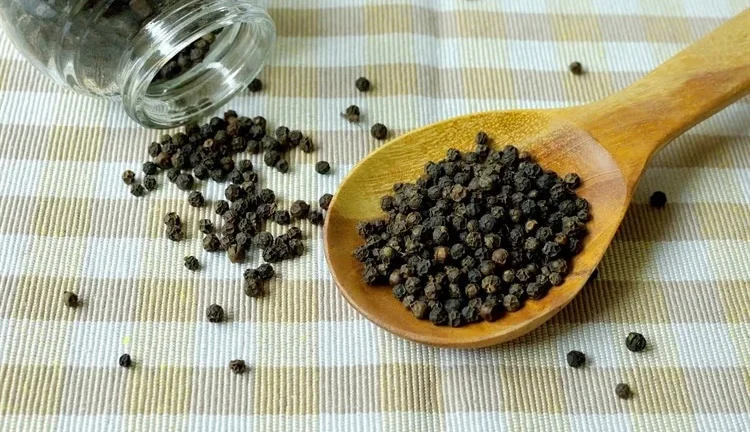
Black peppers (Piper nigrum ) are commonly used to treat many diseases because of the high concentration of terpenes and terpenoids. These bioactive substances are diverse organic compounds commonly found in plant-based oils. Terpenes are over 30,000 compounds with functional groups that include aldehydes, alcohols, and ketones.
Black pepper contains high levels of caryophyllene, limonene (BCP), humulene, sabinene, pinene, and pinene. BCP activates cannabinoid two receptors (CB2R), which triggers downstream signaling pathways, and subsequently promotes antiatherosclerotic, anti-inflammatory, and antioxidative properties. Cardiovascular-protective effects of black pepper against a wide range of CVDs are attributed to its antioxidative, anti-inflammatory, anti-hyperlipidemia, and blood pressure-lowering abilities.
The Combinational Therapeutic Effects of Black Pepper and Taurine Extracts on Cardiovascular Diseases
Several studies have shown that chronic and acute inflammation plays a critical role in the progression and intensity of CVDs. Chronic inflammatory conditions, including atherosclerosis and CAD, are characterized as having elevated levels of proinflammatory receptors, such as the toll-like receptors TLR and receptor for advanced glycation products RAGE. Acute inflammation is also associated with high levels of tumor necrosis-alpha (TNF a), Interleukin-1 b IL-6 (monocyte chemoattractant-protein-1, MCP-1), nitric oxide (NO), and Prostaglandin-E 2.
CVDs may be treated by inhibiting or downregulating these factors. Bioactive compounds present in taurine and black pepper significantly alleviate the expression of the proinflammatory mediators to reduce the severity of the inflammation-mediated injury.
As mentioned above, oxidative stresses are another factor contributing to the progression of CVDs. In various CVDs, it causes inflammation, lipid oxidation, and endothelial malfunction. In previous research, black pepper terpenes, taurine, and other compounds have been shown to restore mitochondrial function and increase cell viability. This can improve antioxidant balance.
Assays for free radical scavenging have shown that a_pinene BCP, b_pinene, and limonene are antioxidants. Taurine increases antioxidants such as superoxide dismutase, which can inhibit inflammation. SOD has been considered a protective antioxidant in CVDs. Black pepper terpenes increase glutathione (GPx1) catalase (CAT) and SOD to produce cell-protective antioxidative activity. These are the critical targets for preventing CVDs.
Taurine reacts to hypochlorous acids to form TauCl. This compound is less toxic and reactive, protecting cells from oxidative stress. TauCl is also an anti-inflammatory moderator that inhibits the production of proinflammatory factors. TauCl is known to improve vascular health and slow down the progression of atherosclerosis. The current study found that dual treatment with taurine and black-pepper terpenes can exert synergistic antioxidants and oxidative protective effects. This will help prevent oxidative damage in cardiovascular etiologies and other oxidative disease.