The annual inflation rate has increased to 6.8 percent over the past year, a worse result than what economists predicted.
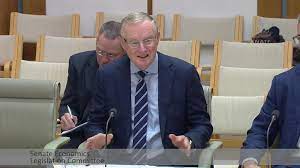
This comes after RBA chief Phillip Lowe was grilled by Senators on interest rates.
Elon Musk, the CEO of Tesla Motors, met with China’s Minister of Foreign Affairs, Qin Gang, today to discuss how Tesla could expand its business in China.
Investors are worried about politicians who oppose a deal to raise the US debt ceiling of $US31.4 trillion (approximately $48.1 trillion). The US is on the verge of a default.
Today, inflation has been the main topic of discussion. Let’s take a closer look at other statistics.
Bureau of Statistics data shows that construction work completed in the first months of this year increased by 1.8 percent to $57,7 billion.
The value of residential construction dropped by 2.1% over the quarter and 5.1% over the year.
Australia will need more than 100,000 new homes in the next five years. According to figures from the corporate regulator, 1753 companies are already bankrupt this year due to cost increases and labor shortages.
My colleague Jane Norman reported that this is five on average per day.
He noted that unemployment had increased since the RBA surprise rate hike early this month, while retail sales and building permits have decreased.
Reserve Bank estimates that 15 percent of variable-rate mortgage borrowers will have negative cash flow by the end of the year if they do not make any changes in their spending.
Kouloulas believes this could also be a factor in the RBA’s decision-making.
The Consumer Price Index increased in April mainly because the reduction in fuel excise for April 2022 ended last October.
Fuel prices have increased over the past year as fuel excise returns to normal.
To reduce the cost of living, on March 30, 2022, the fuel excise was reduced by half for six months for petrol, diesel, and all other petroleum-based products.
The petrol and diesel rates fell from 44,2 cents per liter to 22,1 cents.
Michelle Marquardt is the head of price statistics at the Bureau of Statistics.
The Reserve Bank of Australia is likelier to raise interest rates next Thursday due to higher-than-expected inflation figures.
The ASX 200 index was down 1.3% at midday, dropping 0.8 percent before the data release.
In April, the increase in petrol prices was higher than the previous year when the fuel tax excise had been halved.
After the ABS released the data at 11:15 am AEST, the Australian dollar initially rose to 65.38 US dollars but fell by 0.2 percent to 64.93 US dollars five minutes later.
Tony Sycamore, IG Markets, says the RBA is likelier to raise official rates on Tuesday.