Acne Vulgaris is a disabling condition that begins in adolescence and can last into early adulthood. Scientists have spent much time researching acne risk factors and treatment options.
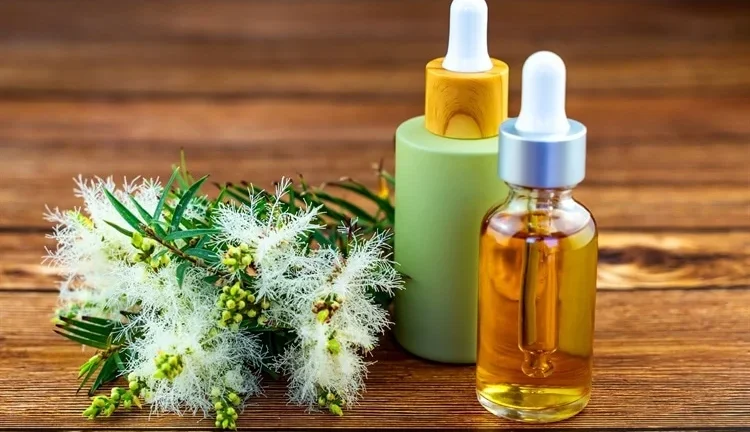
The anti-acne effects of tea tree oil are explored in a new Antioxidants study. Tea tree oil is known for its antibacterial and anti-inflammatory properties.
The following is a brief introduction to the topic:
Acne vulgaris, an inflammatory skin condition, affects over 80% of teenagers. Acne rarely leads to severe illness, but it can cause psychosocial distress because of the disfiguring effects and the possibility of scarring. Affected individuals may suffer from depression, low self-esteem, and social isolation due to immature peers.
Acne is caused by increased sebum with altered characteristics, hyperkeratosis, and higher colonization rates with Cutibacterium aureus, Staphylococcus Aureus, and S. epidermidis with perifollicular inflammation.
Its severity and pathology in Europe classify acne as conglobate, comedones, and papulopustular acne.
Acne Treatment
There are several topical agents available for treating acne. These include benzoyl, azelaic, and retinoids. Retinoids reduce the amount of sebum and comedones while increasing skin cell turnover.
For severe acne, benzoyl-peroxide may be combined with adapalene and clindamycin. Androgen antagonists can be used in conjunction with systemic or topical treatments.
Many of these agents, despite their efficacy, are associated with side effects such as skin irritation, dry skin, bacteria resistant to antibiotics, high cost, and poor response. Many patients use natural products such as essential oils and plant-based compounds to treat acne.
What is TTO
TTO is derived from Melaleuca alternifolia Cheel, a native Australian evergreen tree. TTO is classified into six types based on the chemical composition. The most notable are terpinene-4 ol, 1,8 cineole, and terpinene.
The International Standard Organization certifies TTO as having a minimum of 35% of terpinene-4ol content and a maximum of 10% of 1,8-cineole. Still, real-world markets demand more than 38% of each chemical and less than 3%. There are many variables within each chemotype, including genetic and environmental factors. Other factors include the age and damage of the leaves, harvest season, and artifacts in the distillation process.
TTO has biological effects
TTO is widely used for treating various skin and mouth infections and parasites. TTO’s antimicrobial action is attributed to the terpinene-4 ol it contains. However, other components in TTO contribute to this antimicrobial property by disrupting membranes and inhibiting respiration.
TTO was tested to determine its ability to inhibit biofilm formation and for its synergistic action with antibiotics on antibiotic-resistant bacteria. Both liquid and volatile TTO showed this property against pathogens such as Pseudomonas fluorescens and Salmonella enterica.
TTO is cytotoxic for human fibroblasts and, at its maximum safe concentration, has a lower antiviral effect against herpes simplex than silver nanoparticles. When used at a 1:1 ratio, oleic acid can increase TTO penetration into the skin up to 10 times.
TTO also comes in nanoformulations and emulsions. Pickering Emulsions is another formulation of TTO. They are more stable because they contain solid particles instead of surfactants. TTO Pickering Emulsions are safer and biocompatible than conventional TTO emulsions. They make excellent candidates for wound spray dressings.
Other delivery methods include nanoliposomes and nanocapsules containing TTO. Nanofiber mats containing TTO-containing Liposomes are also available. Ethosomes have a greater loading capacity than liposomes for lipophilic drugs such as TTO.
TTO and Acne
Terpenes inhibit the production of inflammatory molecules in many different types of cells. This may help TTO reduce acne. Some have shown TTO gel to reduce the number of comedones by 40% and the total number of lesions by 50%.
TTO is antimicrobial because it stimulates polymorphonuclear cells and monocytes to produce reactive oxygen species while scavenging oxidants and radicals. This protects tissues from damage caused by oxidation.
TTO is generally tolerated, but some people find its more pungent smell unpleasant. The skin may react to oxidized TTO. TTO can cause skin irritations such as dryness, redness, and shedding.
The TTO contains several terpenes that are unstable. They can react with each other and form reactive species as the aging process occurs. Pure TTO, when ingested, can also lead to unconsciousness.