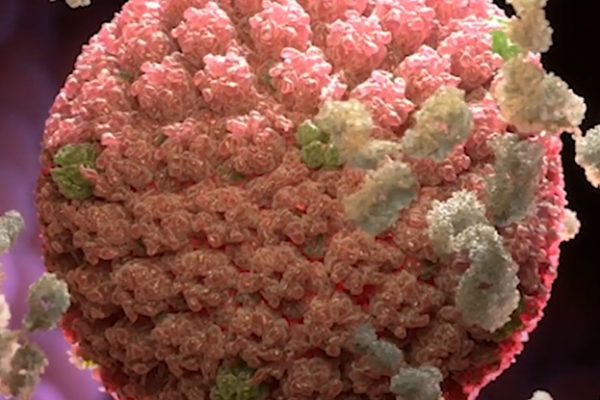
A US citizen who likely contracted the infection while swimming in freshwater lakes or ponds has died of a rare amoeba that eats brains.
In a Friday news release, the Georgia Department of Health announced that a Georgia resident died after contracting Naegleria fowleri. This rare brain infection causes swelling in the brain and, usually, death.
The individual likely contracted the disease while swimming in freshwater lakes or ponds in Georgia.
Naegleria fowleri, an amoeba, lives in soil, warm freshwater lakes, rivers, ponds, and hot springs. According to the release, it is absent in swimming pools, drinking water that has been adequately treated, or salt water.
The release stated that five cases of Naegleria fowleri infections were reported in Georgia before this one.
According to the US Centres for Disease Control and Prevention, from 1962 to 2021, only four people out of 154 in the United States survived an infection caused by a brain-eating bacterium.
The Nevada Division of Public and Behavioral Health reported earlier this month that a 2-year-old died of a brain-eating infection contracted from a natural spring.
Florida officials reported that a state resident died after a nasal rinse with tap water in February.
Infections can start with severe headaches, fever, and nausea. They may progress to stiff necks, seizures, hallucinations, and coma.
Treatment of the infection involves a combination of drugs, which includes the antibiotic azithromycin and antifungal fluconazole. Miltefosine, an antimicrobial, and the corticosteroid dexamethasone are also used.