Only two-thirds (67.5%) of Queensland women between 25 and 74 years old participate in cervical screening.
Queensland has one of the highest rates of cervical cancer in Australia. Around 190 people are diagnosed with the disease every year.
The self-collection cervical screening option, which will be launched in Queensland in mid-2022, is increasing participation. This is particularly true in the northern and western regions.
Queensland Health spokesperson Dr. Anna Hawkes stated that self-collection allows people to take their vaginal samples, usually at a GP’s office in a quiet area such as behind a drape or private room.
“We understand that some people might feel uncomfortable having a cervical screening performed by a doctor, so we offer the option of self-collection to make the process more private and comfortable,” said Dr. Hawkes.
Recent data show that almost one-fifth of women aged between 30 and 74 who had never taken a Cervical screening test before chose to collect their sample.
“Older women, who have never been screened before, are more likely to opt for self-collection. Self-collection is the choice of almost one-third of women between 60 and 69 who have never screened, compared to one-seventh among women aged 30 to 35 who hadn’t screened.
The increase in self-collection is excellent for these women, as the research shows that over 70% of cervical cancers are found in women who do not participate in screenings as often as they should or have never done so.
Dr. Hawkes stated that people of certain ages and those in some regions of the state were opting for self-collection.
Dr. Hawkes stated that early data showed that people in remote Queensland areas were more than twice as inclined to opt for a self-collected blood test as people in urban areas.
Self-collection is well-received in Western and Northern Queensland. Twenty percent (of tests) in these Primary Health Networks are self-collected, and 48.6 percent of Cervical Screenings Tests at the Torres and Cape Hospital and Health Service.
“These numbers are significant because cervical cancer mortality and incidence rates are highest among First Nations and those living in remote areas of the state.”
Queensland Health’s research revealed that a Cervical screening test is recommended every five years among women and men with a cervix between the ages of 25-74 who have been sexually active. However, many people are unaware they should be tested.
Tests detect the human papillomavirus, which may cause cell changes that can progress to cervical carcinoma if not treated.
Early detection of HPV and changes in the cells may allow cervical cancer to be prevented.
We know people might not have attended regular screening appointments during this pandemic. Women aged 25-74 who have not yet screened are urged to do so now, whether or not they have received HPV vaccination.
You can book an appointment with your doctor if you receive a reminder or invitation about cervical screening.
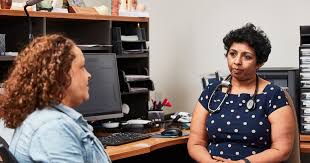
It would help if you discussed with your healthcare provider any concerns or questions and whether you would like to self-collect for cervical screening. They will help you determine what’s best for you.