Background
The survival rate of childhood cancer has increased significantly over the last few decades thanks to advances in cancer treatment. Cancer treatments can adversely affect many organ systems, increasing the likelihood of chronic illnesses in those treated.
Cardiovascular disease (CVD), a long-term effect of cancer treatment, increases the risk of CVD among childhood cancer survivors. CVD is the leading cause of death and morbidity among non-cancer survivors. Childhood cancer survivors are more likely to develop it as they age.
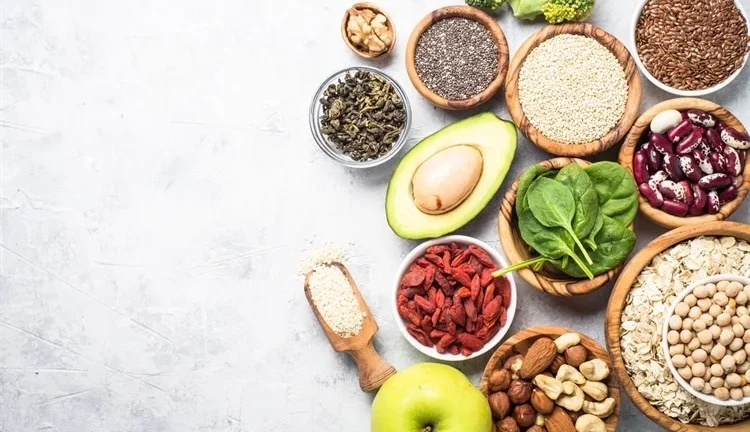
Diet is an established and controllable CVD risk factor. A diet high in plant-based food, healthy fatty acids, and moderate sugar intake, as well as animal-based food and salt, has been consistently linked with a lower likelihood of CVD among non-cancer patients and those at high risk, such as individuals who have hyperlipidemia, hypertension, and diabetes.
It is well known that healthy eating habits reduce the risk of CVD in the general population. However, it is not clear if this applies to those who have had childhood cancer.
The study
Researchers investigate the relationship between dietary habits and CVD risks among adult childhood cancer survivors in the present study. To do this, researchers assessed whether adhering to a healthy eating pattern has the same positive effect on CVD among those who have survived childhood carcinoma as it does for the general population.
Data from the St. Jude Lifetime Cohort Study, which includes adult childhood cancer survivors, was used to perform a cross-sectional study. A food frequency questionnaire was used to assess study participants’ dietary habits and patterns.
Three of the most commonly examined dietary patterns were the Alternate Mediterranean Diet Scores (aMED), Healthy Eating Indexes (HEI) – 2015, and Dietary approaches to stop hypertension (DASH). The diets were examined to examine the relationship between healthy eating patterns and CVD risks, regardless of their definition. Also, the cardiovascular risk factors for each participant were determined.
The study’s primary outcome was CVD, defined as self-reported stroke, coronary heart disease, heart attacks, or evidence on cardiac imaging of a significant coronary arterial stenosis. The association between CVD and dietary patterns was analyzed using logistic regression models, accounting for confounding variables such as sex and age.
Study Findings
The average time from diagnosis to death for the 1,882 males and 1,634 women included in this study was 21.7 years. CVD was prevalent in males and women at 17.2% and 13.3%, respectively. Both males and women scored low on DASH and the HEI-2015, indicating poor adherence to recommended intakes of different food groups.
Women with CVD consumed fewer nutrients and were older. Men with CVD tended to be non-Whites, older, and more likely than women to take dietary supplements. They were also less physically active. Cancer survivors who scored higher on the HEI-2015 were older, more educated, and non-smokers. They also used single dietary supplements or multivitamins.
The results showed that high HEI 2015 scores in male subjects were not linearly associated with a reduced risk of CVD. However, a threshold effect was observed for all scores. However, aMED or DASH was not associated with CVD risk among men.
Comparatively, DASH, aMED, and HEI-2015 had a linear relation with lower CVD risks in women. The higher adherence to DASH, HEI 2015, and aMED was associated with lower CVD risks in women at high risk but not in low-risk women.
The association between higher HEI 2015 scores and reduced CVD risk was statistically insignificant for men and women across all categories and those who did not have a history of high cholesterol, hypertension, diabetes, or diabetes.
Conclusions
The risk of CVD was reduced in women who adhered more to aMED and HEI-2015. This reduction, however, wasn’t statistically significant. The HEI 2015 was not associated with a significantly lower CVD risk in males.
These dietary habits are associated with a lower CVD risk among childhood cancer survivors with an increased CVD risk. A diet high in vegetables, fruits, and lean proteins, as well as a moderate intake of animal products, should be used to prevent CVD among pediatric cancer survivors.