The Big Idea
According to a recent study published in Nature, a common variant may explain why some people do not show symptoms after contracting the virus that causes COVID-19.
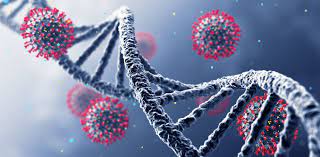
We were surprised that many people tested positive for COVID-19 despite no symptoms. We knew collecting DNA samples from asymptomatic individuals to study genetics would be challenging. We used the genetic data already stored in the U.S. Bone Marrow Donor Registry.
We asked volunteers who had registered as COVID-19 donors to track their experiences with COVID-19 using a smartphone application developed by COVID-19 Citizen Science Study. We analyzed the DNA of almost 30,000 individuals without taking biological samples and identified COVID-19-positive individuals who have never been sick.
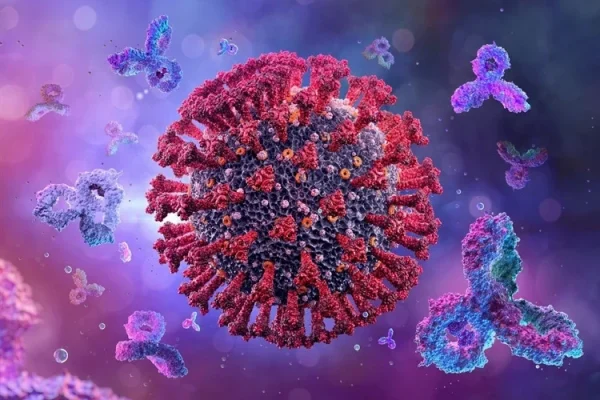
We were especially interested in analyzing HLA genes. These components are critical to the immune system and encode proteins that show the viral particles that T cells, a group critical of immune cells for fighting infection, recognize. COVID-19 might be affected by HLA molecules, which are essential in the immune response against pathogens.
Our analysis revealed that 1,428 unvaccinated individuals reported a COVID-19 positive test. Of these, 136 did not report any COVID-19 symptoms. Our study revealed a variant of the HLA gene, called HLA B*15:01, linked to asymptomatic infections. This variant is found in approximately 10% of people with European ancestry.
People who carry the variant are more than twice likely to be asymptomatic following an infection with COVID-19. Those taking two copies were eight times more likely not to have any symptoms.
We then used cells from individuals with the HLA-variant who had donated blood a few years before the pandemic to determine if they already had immunity to the virus causing COVID-19. People who had not been exposed to COVID-19 possessed memory T cells that worked against a virus particle. This allowed them to mount a robust immune response to COVID-19. When bound to HLA, this viral particle looks similar to seasonal coronavirus fragments recognized by T-cells.
Our findings suggest that exposure to the seasonal cold virus helped people with the HLA-B*15.01 develop a highly effective immune memory, allowing them to destroy the virus before symptoms developed quickly.
Why it matters
Understanding the differences in how people react to COVID-19 and other viral diseases can be understood by identifying the genetic factors associated with the disease’s progression after infection. Asymptomatic infections can shed light on the condition’s early stages and the immune system’s response to COVID-19.
Most existing vaccines protect against severe COVID-19 symptoms. Determining the viral fragments responsible for asymptomatic infections, like the one we found, could help to develop COVID-19 vaccines and therapies that are more specific.
What is still unknown
The immune system is complex, despite the solid genetic association that we have identified. It is unclear what mechanisms are responsible for asymptomatic infection or why some people with this variant do not experience symptoms.
What’s Next
We want to know if individuals of different ancestries share the same genetic variant. This will allow us to determine which genetic variants matter most among individuals with COVID-19 asymptomatic. We also want to learn why cross-reactive HLA B* 15:01 cells are so effective in preventing symptoms from this virus.