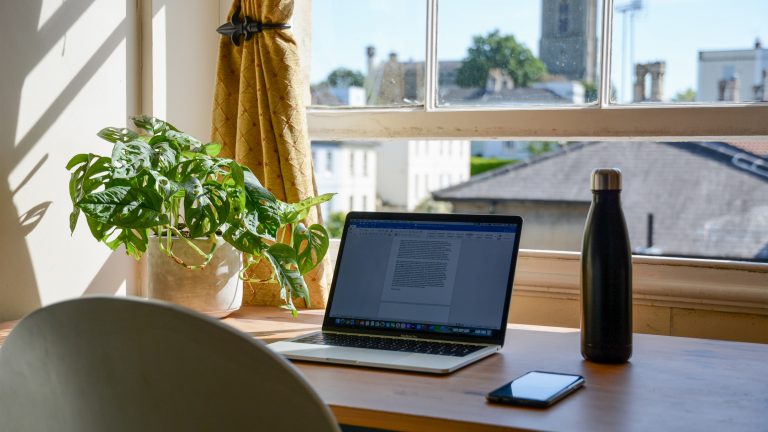
You’re not the only one who telecommutes, whether a full-time or part-time worker or a casual worker who likes to catch up on projects while on the move. Global Workplace Analytics reports that the number of people working at home has increased by 103 per cent, not counting those who are self-employed. And it isn’t slowing down. Currently, 3.7 million people work from home at least 50% of the time, according to Global Workplace Analytics. Telecommuting has many benefits, not only for employees but also for employers. Employers can save money and have a wider talent pool.
Get instant messaging (IM);– Telecommuters have two major benefits from instant messaging. It allows coworkers to instantly reach you, removing preconceived notions about you while you’re at the pool or watching movies. IM helps at-home workers avoid feeling isolated. Many years of research have shown that IM’s live, synchronous nature enhances people’s feelings of belonging, presence, and emotional well-being. Studies have shown that emoticons increase people’s involvement and create more harmony.
Furthermore, global, virtual groups that engage in digital interactions with an element of social and fun work better together and build better relationships. Microsoft’s Office 365 allows for instant messaging via Skype for Business. It is more casual, conversational, and quicker than a phone call.
Microsoft Teams is available for free.
That’s right, free. Like Rs0. Use chat, file sharing and video calling to work together.
Bad internet? Bad internet? Fifty-five per cent of U.S. households only have one provider who offers service at 25 megabits/second, which is the minimum required to access advanced online applications. While 75 per cent of American households still have DSL, cable, or fibre internet, the FCC recommends that we move towards a mobile workforce. The U.S. Census Bureau reports that internet users have dropped from 82 per cent to a mere ten years ago. However, we may be moving towards a more mobile workforce. According to the U.S. Census Bureau, internet usage dropped from 82 per cent to a few years ago. Mobile-only connections increased from 10 per cent to 20 per cent during the same period. The possibility of having a mobile workforce is possible thanks to Wi-Fi hotspots, broadband data plans and Wi-Fi hotspots. You can now access many top-of-the-line productivity apps from your mobile device. This includes office apps that allow you to share, edit, and create from your iOS, Android, or Windows device. This makes creating a mobile backup plan simple in case your internet becomes less reliable.
Be fluid. Be flexible. A recent Deloitte survey revealed that Millennials recognize the importance of a work-life balance. They cite it as their top priority when choosing an employer. Flexibility (like telecommuting) is second. Traditional office workers don’t have to return daily to work to answer phones or attend meetings. Working from home has many benefits, including the freedom to pick up your children from school and go to the gym while you work. You don’t have to work 24/7. Make sure you disconnect from work when your day is over. This includes closing your email and turning off your home phone. There are certain days when everyone must work overtime. It should not be the norm.
Keep in touch socially – Not all business happens at the office. It’s important to make time for socializing with your colleagues and supervisors, whether by sharing a meal, having happy hour, or even grabbing a bite and a pastry. The 2015 study published in Human Performance found that sharing a meal with colleagues can build trust and friendships. It also allows you to unwind and network casually.
Get the most out of your company’s software – Products like Office 365 and Skype for Business, SharePoint, and Windows Phone have helped create a more productive work-at-home environment. Good software will allow you to connect with your team in real-time via videoconferencing or a webinar. You can also take advantage of advanced security and compliance tools, simple dashboards, and compelling data visualizations.
Many workers used telecommuting as an alternative to working full-time at the office. However, this trend is growing. This trend is growing, with 55 per cent of college graduates reporting that they telecommute for work. Having the right tools to make your work-at-home experience flexible, productive, and successful is important.