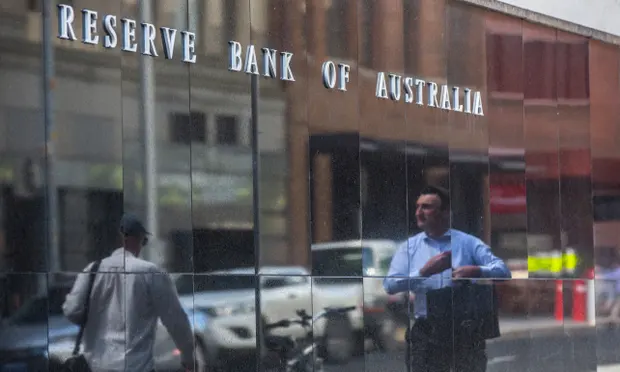
The Reserve Bank of Australia said its decision to raise the official interest rate rather than pause in June was “finely weighed” and that further increases will depend on how inflation expectations are affected by developments both at home and abroad.
The minutes of the RBA board meeting of 6 June, released on Tuesday, could ease expectations that the central banks will increase rates further in the coming months. The bank raised the cash rate to 4.1% at the June meeting. This is the highest level since 2012
After the minutes were published, the Australian dollar dropped by nearly half a US penny to about 68 US dollars. This indicates that investors responded to the dovish tone of the minutes by reducing their expectations for how quickly and how high rates will increase.
The minutes show that [board] members, in deciding to raise interest rates, again acknowledged the uncertainty surrounding the outlook of household spending and financial stress some households face. The minutes stated, “Members reiterated their determination to bring inflation back to target, and their willingness” to do whatever it takes to achieve this.
RBA raised interest rates four percentage points over the last 13 months in 12 separate moves. The rate-hike cycle began during the federal election of May 2022. The RBA has raised interest rates by four percentage points in 12 activities over the past 13 months, beginning its rate rise cycle during the May 2022 federal election.
The May figures for the labor market have now been released since the board meeting. The jobless rate dropped unexpectedly from 3.7% to 3.6% in April. More than 70,000 new jobs were created, four times more than market economists predicted.
Minutes show that the RBA is concerned about inflation not slowing to 3% as banks want by mid-2025. The RBA cited “some firms indexing their pricing, either implicitly or explicitly, to past inflation” as one of the main reasons for this sticky pricing. Wage increases could also be indexed to past high inflation, and there was the potential for this trend to spread.
The RBA aims to cool inflation without stalling the economy by reducing the risk of high inflation.
The RBA Board noted that the federal budget “had not had a significant impact” on RBA forecasts. The Fair Work Commission’s annual salary decision was higher than the staff’s forecasts, but the 5.75% increase would be added directly to the wage price index for the September quarter.
The minutes stated that while it is understandable for the lowest-paid workers to be compensated, “it would concern us if wages were implicitly linked to high inflation across a wide range of occupations.”
She outlined the reasons for keeping the cash rate at 3.85% in the minutes. The nine board members noted that “significant increases in rates to date” could indicate that the economy may slow more than expected.
The minutes noted that members had already pointed out that consumption growth was relatively low, particularly per capita. The minutes stated, “Real disposable earnings were declining, particularly for home-loan holders, and many tenants were experiencing financial difficulties.”
The fall in commodity prices could also cause inflation to fall more quickly than expected.
RBA stated that household debt repayments would take up about 10% of disposable income by 2024. This is up from 9% in April.
The board stated that, for now, non-performing loans in the housing sector had increased a little but only from a low level. Personal insolvencies also remained low.
Board members stated that if the house price growth “is sustained,” it would have a less significant impact on consumer spending for the following year. The recent stabilization of housing loan approvals suggested that “financial circumstances may not have been tighter than [the board] previously judged.”
Recent revisions by economists and data groups to their forecasts have predicted a general price increase after expecting a fall. Rents are also expected to rise.