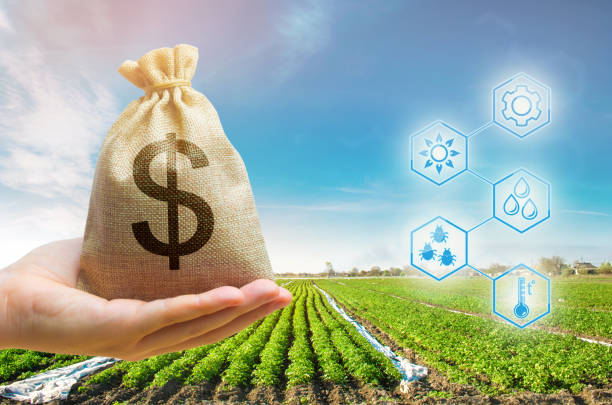
Introduction:
The agricultural sector, often considered the backbone of many economies, is facing a significant challenge this financial year. Dry conditions during the crucial spring period have cast a shadow over agricultural production, with a forecasted decline of $16 billion. This unforeseen setback has raised concerns about food security, economic stability, and the well-being of farming communities. In this article, we will delve into the factors contributing to this decline, its potential consequences, and the strategies that can be employed to mitigate its impact.
Factors Contributing to the Decline:
- Insufficient Rainfall: The primary factor behind the decline in agricultural production is the inadequate rainfall during the spring season. Many regions, traditionally reliant on spring precipitation, experienced below-average rain, leading to soil moisture deficits and affecting crop growth. Insufficient water availability has hindered the development of crops, ultimately reducing yields and impacting overall production.
- Temperature Extremes: Alongside inadequate rainfall, temperature extremes have exacerbated the challenges faced by farmers. Unusually high temperatures during spring can lead to water stress, affecting plant health and reducing the resilience of crops to other environmental stressors. Extreme temperatures can also contribute to the evaporation of available water in the soil, intensifying the impact of dry conditions.
- Delayed Planting and Growth: The combination of insufficient rainfall and temperature extremes has resulted in delayed planting and slow crop growth. Crops that are unable to establish a robust root system early in the growing season are more vulnerable to adverse weather conditions later on. This delayed growth has a cascading effect on the entire agricultural calendar, leading to decreased yields and lower production levels.
Consequences of the Forecasted Decline:
- Economic Impact: The $16 billion forecasted decline in agricultural production has significant financial implications. Agriculture is a major contributor to GDP in many countries, and a downturn in this sector can lead to reduced overall economic growth. The decline in production translates to lower income for farmers, affecting their livelihoods and potentially triggering a ripple effect throughout the supply chain, impacting agribusinesses and related industries.
- Food Security Concerns: A decline in agricultural production raises concerns about food security, especially in regions heavily reliant on local produce. Reduced yields can lead to shortages of staple crops, causing price spikes and potential food shortages. This situation not only affects the availability of food for consumers but also poses a threat to the nutritional well-being of communities that depend on locally grown crops.
- Rural Communities’ Well-being: Rural communities, predominantly dependent on agriculture, face challenges in the wake of declining production. Farmers may struggle to meet financial obligations, and the overall well-being of these communities is at risk. This can lead to increased migration from rural to urban areas, further straining urban infrastructure and services.
Strategies for Mitigation and Adaptation:
- Improved Water Management: Implementing efficient water management practices, such as drip irrigation and rainwater harvesting, can help farmers cope with water scarcity. Government and agricultural organizations should invest in infrastructure and technologies that enhance water-use efficiency and reduce reliance on unpredictable rainfall.
- Crop Diversification and Resilient Varieties: Encouraging crop diversification and promoting the cultivation of drought-resistant varieties can enhance resilience to adverse weather conditions. Farmers should be provided with access to seeds and technologies that are adapted to the changing climate, reducing the vulnerability of crops to extreme weather events.
- Climate-Resilient Farming Practices: Promoting climate-resilient farming practices, such as conservation agriculture and agroforestry, can improve soil health and water retention. These practices contribute to the long-term sustainability of agriculture by mitigating the impact of climate variability and promoting ecological balance.
- Financial Support and Risk Management: Governments and financial institutions should provide timely financial support to farmers facing losses due to adverse weather conditions. Additionally, the implementation of effective risk management strategies, such as crop insurance programs, can help farmers cope with uncertainties and minimize the financial impact of crop failures.
Conclusion:
The forecasted $16 billion decline in agricultural production this financial year due to dry conditions during spring highlights the vulnerability of the sector to climate-related challenges. Addressing the impacts of climate change on agriculture requires a comprehensive approach that includes sustainable water management, resilient crop varieties, climate-smart farming practices, and robust financial support mechanisms. By adopting these strategies, the agricultural sector can enhance its resilience, ensuring food security, economic stability, and the well-being of farming communities in the face of increasingly unpredictable weather patterns.