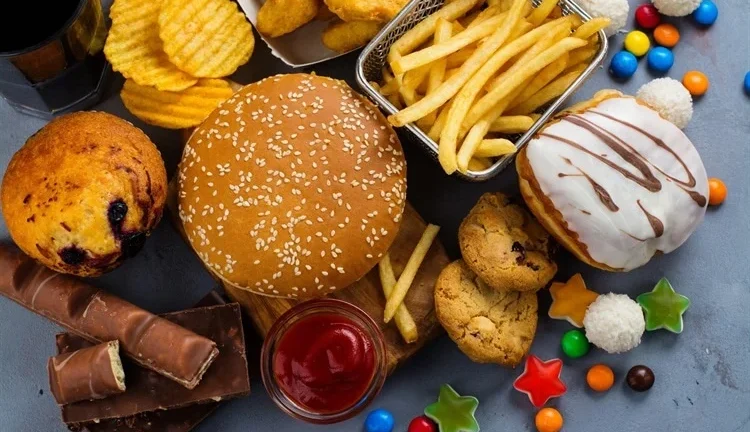
According to previous studies, depressive disorders have the highest global burden. Poor diet quality is one potential risk factor that can be altered for depression.
Researchers have published a study in the Journal of Affective Disorders that explores the relationship between high consumption of ultra-processed food and psychological distress.
The study
The study adhered to the STROBE statement and checklist. It was registered in the Open Science Framework registry. Melbourne enrolled over 41,000 people between the ages of 27 and 76 between 1990 and 1994. Nearly 25,000 individuals were female. The study cohort was primarily between 40-69 years old.
To broaden the range of diets and lifestyles, more migrants were included in this study. The study participants had previously completed dietary and psychological distress questions at baseline and the end of the study.
28240 of the 41 513 participants initially recruited to the study attended the second visit. Twenty-four thousand six hundred seventy-four of these individuals completed the baseline dietary intake assessment and the second follow-up psychological distress questionnaire.
Participants who attended clinics in person were asked to provide baseline dietary data. Participants self-administered a 121-item Food Frequency Questionnaire to assess their dietary intake. Researchers also calculated the average daily intake of ultra-processed food in terms of energy and weight. They converted the reported frequency of consumption into grams by using sex-specific food portion sizes and multiplied it by the daily rate.
During follow-up, the Kessler Psychological Distress Scale K10 was used to assess psychological distress. The K10 assesses psychological distress in general, and elevated scores indicate the presence of mental illness.
Results
In the final analysis, 9,423 men and 13,876 women were included. The individuals who consume the most ultra-processed food are likelier to have been born in New Zealand, Australia or live alone. They were also less likely than other individuals to have a tertiary degree, to be married or in a de facto relationship, to be least disadvantaged, and to engage in a high level of physical activity. The higher consumption of ultra-processed food was linked to lower intakes of fiber, saturated fat, and protein, lower total energy intake, and reduced vegetable and fruit intake.
Model 1 showed that those who consumed ultra-processed foods adjusted for energy in the highest quartile had a 1,14-fold greater likelihood of experiencing increased psychological distress than those who consumed food in the lowest quartile. After adjusting for covariates in the primary multivariable analyses, the association increased to a 1,23-fold greater likelihood of psychological distress.
All models showed that ultra-processed foods’ fourth and highest energy-adjusted consumption significantly differed from the reference quartile. The threshold effect indicated that the association between ultra-processed eating and psychological distress was only observed in those individuals who consumed ultra-processed meals at a high level.
A restricted cubic spline analysis examined the relationship between ultra-processed foods and psychological distress. In this study, the higher intake of ultra-processed foods was associated with an increased risk for psychological distress. Participants in the top quartile were also significantly more likely than those in the lower quartiles to report psychological distress.