Researchers have published a study in Nature Communications that explores the relationship between neurodegenerative diseases and gout.
What is gout, and what causes it?
Hyperuricemia (gout) is the most common form of inflammatory arthritis. It affects between 1 and 4 percent of the population. The crystals of monosodium-urate are deposited in the joints and surrounding tissues. This causes inflammation, swelling, and pain.
Recent studies have contradictory findings regarding the link between gout, neurodegenerative disease, and gout. Some observational studies reported that gout was associated with a lower risk of dementia and Alzheimer’s, but Mendelian randomization tests did not confirm these findings. It has been proven that a history of gout increases the risk of stroke.
These contradictory results highlight the need for further studies, especially those involving brain structure analysis, to better understand the link between gout, neurodegenerative disease, and gout.
The study
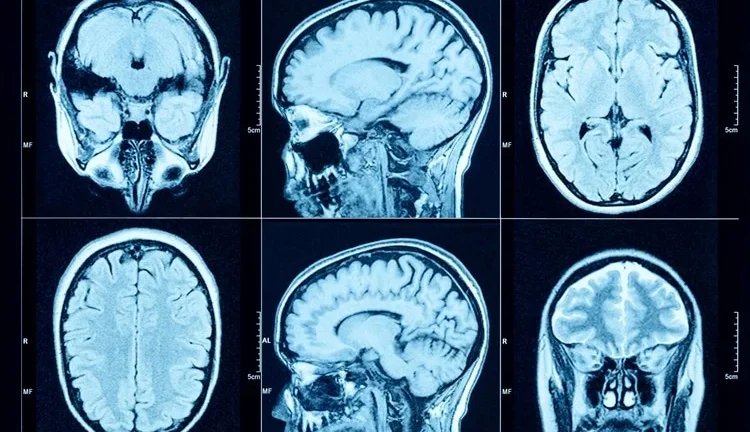
The study participants were recruited through the United Kingdom Biobank Study (UKB), which enrolled volunteers aged 40-69 between 2006-2010. These patients were subjected to imaging, including brain magnetic resonance imaging.
The diagnostic criteria for gout have been derived using an algorithm from the UKB baseline assessment data. The serum urate level of all participants was estimated at the start of the study.
The team utilized 2,138 summary image-derived phenotypes (IDPs) that represented different estimates of brain structure using T1-weighted and T2-weighted-FLAIR structural imaging, diffusion MRI, and susceptibility-weighted MRI. FSL-VBM, a voxel-based morphometry software library from FMRIB, was used to determine a precise spatial distribution between gray matter and gout in the brain.
MRI results were used to test whether causal relationships could be used to explain observed associations between brain structure and MRI. The linear MRI assessment was performed using summary statistics from European participants.
Using a variation harmonization ensured that correlations between SNPs, exposures, and outcomes described the same allele. Several robust MRI methods were used to assess the consistency of each causal conclusion.
Gout increases your risk of dementia, Parkinson’s, and Parkinson’s
The current study included 11,735 gout patients, of which 1,165 underwent brain imaging. About 31% of all gout sufferers are currently treated with urate-lowering therapy.
The majority of gout patients were males and older. Notably, the urate level in male gout sufferers was positively correlated with lower socioeconomic status and alcohol consumption.
During the study period, 3126 participants had dementia, and 16 422 died. Gout patients were twice as likely as controls to die.
Urate levels were associated with high cerebrospinal liquid, global brain, grey and white matter volumes, and high cerebrospinal volume. Gout has the same effect on grey matter volumes as comparing brain scans between a young and healthy person with those of a two-year-old.
The cerebellum and pons were some gray matter brain regions affected by gout. White matter regions such as the fornix showed higher fractional anisotropy and higher mean diffusivity in gout sufferers.
The presence of a history of gout, and high serum urate levels, were associated with more significant iron depositions in the bilateral caudate and putamen. Both of these structures are part of the basal ganglia. The high iron levels in these brain structures could be due to gout or poor urinary iron excretion. This association was reduced when renal function was controlled.
Gout is positively linked to dementia, especially vascular dementia. The highest risk for a dementia diagnosis occurs in the first three years after a diagnosis of gout. Gout also increases the risk of Parkinson’s and possible essential tremors.
Conclusions
This is the first study that correlates neuroimaging studies and gout. Its findings provide evidence of a causal role of gout in dementia and other neurodegenerative diseases. The researchers found no classic imaging markers for Alzheimer’s or vascular dementia among gout patients.
The study’s findings are important to clinicians who treat gout patients because prophylactic treatment for gout can reduce the risk that these patients will develop neurodegenerative diseases in the future. These observations could also give new insights into neurodegenerative disease pathogenesis and identify novel therapeutic targets.