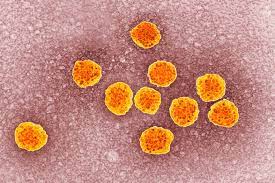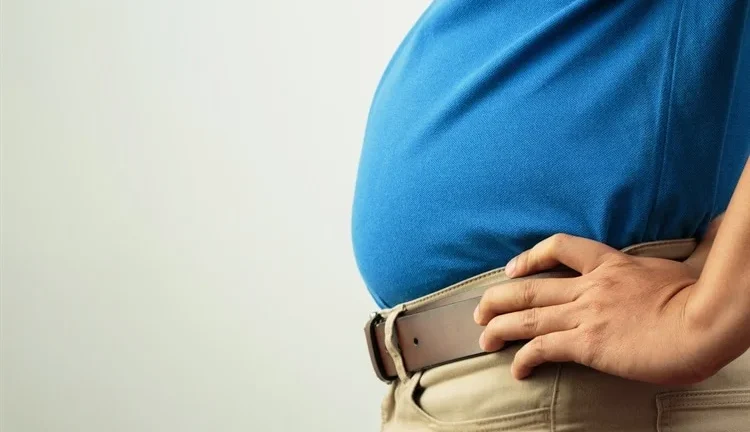
In a recent study published in the journal – PNAS – abdominal obesity was associated with an excessive inflammatory response and a higher risk of mortality among patients suffering from coronavirus 2019 (COVID-19).
Background
COVID-19 is a multifactorial illness caused by severe acute respiratory syndrome (SARS) coronavirus two infections. COVID-19 is characterized by excessive cytokine release and hyperinflammation.
In addition to aging, comorbidities such as hypertension, diabetes, and chronic kidney disease increase the risk of severe COVID-19 and hospitalization. In Japan, abdominal obesity (visceral fat-dominant obesity) is linked to a poor prognosis for COVID-19.
The study
Scientists compare COVID-19 results between Japanese patients with abdominal obesity and those without. To do this, abdominal computed tomography (CT imaging) was used to measure fat in the abdomen and subcutaneous tissue and correlate these values with COVID-19 severity.
Researchers also examined the characteristics of COVID-19 using two obese mouse models. The models used were ob/ob, which has a leptin receptor genetic dysfunction, and db/db, which has a leptin-ligand congenital disability. Comparing ob/ob to db/db, the ob/ob mouse has higher liver and perirenal fat tissue weights. This suggests that this model is a good representation of visceral obesity.
Important observations
Even when other factors like age, a history of infarction, and chronic kidney disease were present, increased VAT accumulation was still found to be a risk factor. VAT-dominated obese patients, also known as abdominal obesity, are more likely to suffer severe COVID-19 symptoms and death than those with high BMI or subcutaneous adipose tissues (SAT).
At both the early and peak stages, increased adipose tissues were weakly correlated with C-related proteins (CRP) and D-dimer levels. A higher concentration of macrophages, adipocytes, and ferritin in VAT led to an inflammatory response and worse clinical outcomes for young patients.
In-Vivo experiments showed that SARS CoV-2 exposure increased the mortality risk in ob/ob mice, while all db/db and control mice survived. Notably, SARS CoV-2 positive cells were found in higher numbers in ob/ob than db/db or control mice. However, SARS CoV-2 positive cells were similar between the groups.
In mice fed a high-fat diet, mortality from SARS-CoV-2 was higher than in mice fed a normal-fat diet. The HFD-fed mice also showed similar immunopathological findings to those seen in ob/ob abdominal obese mice.
HFD-fed and ob/ob mouse models showed high acute lung injury and inflammation. In contrast, mice with SAT-dominant obesity showed localized inflammation and reduced lung injury after SARS-CoV-2 infection, indicating positive COVID-19 outcomes.
In obese mice, a higher proportion of SARS CoV-2 antigen-positive lung macrophages were observed. The electron microscopy analysis revealed disrupted virus particles within these macrophages. Further investigation revealed that the lungs and type I/II response to interferons and interleukin-6 levels (IL-6) were upregulated in abdominal obesity mice.
The lungs of obese mice with abdominal obesity showed increased inflammation-related pathways. They included cytokine and cytokine receptor interactions, tumor necrosis (TNF), chemokine signals, nucleotide binding, and NOD-like receptor pathways.
The observations suggest that the viral antigen-carrying lung macrophages circulate throughout the body and cause inflammatory responses. This is especially true in obese mice. The increased inflammation caused by a “cytokine storm” may cause higher mortality rates in SARS-CoV-2-infected mice with abdominal obesity.
Treating these mice using IL-6 receptor-targeting antigens revealed a significant decrease in mortality rates. This confirms that increased cytokine levels are associated with higher mortality risks.
Adipose tissue Modification
This study examined how COVID-19 outcomes are affected by obesity in mice treated with leptin before viral exposure. Leptin-mediated weight loss led to better survival rates in mice with abdominal fat.
In these mice, prophylactic leptin treatment also reduced the number of inflammatory macrophages in the lungs, viral RNA, IL-6, interferon production, and adipose tissues. In mice treated with preventive leptin, there was a decrease in the inflammation-related pathways and an improvement in the lysosomal functions of alveolar macrophages.
The accumulation of fatty tissues in the abdominal region is linked to delayed viral clearance, increased cytokine and macrophage production and activation, and an increase in mortality in SARS-CoV-2-infected mice.
Studying significance
According to the study, abdominal obesity can be a significant risk factor for COVID-19. It increases the likelihood of cytokine-storm and mortality among patients infected with SARS-CoV-2. These findings suggest that COVID-19 sufferers with abdominal obesity may benefit from cytokine-suppressing treatments during their disease.