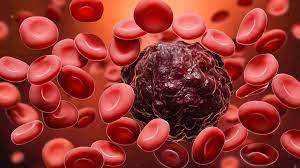
COLUMBUS (Ohio) – Researchers at The Ohio State University Comprehensive Cancer Center- Arthur G. James Cancer Hospital (OSUCCC- James) are studying a new targeted drug that may offer an alternative treatment for blood cancer patients, such as those with chronic lymphocytic lymphoma and Non-Hodgkin Lymphoma (NHL), whose disease is no longer responding to standard therapies.
In the first human clinical trial, nemtabrutinib, pronounced Nem-taBROO-tinib, was effective for three-fourths (pronounced NemtaBROO-tinib) without any severe side effects. The journal Cancer Discovery published the results of this trial.
Jennifer Woyach, MD, a hematologist who is also the study’s lead investigator, says that there are about a half dozen drugs available to treat B-cell carcinomas. Although initially most patients responded to these drugs, the disease progresses in many cases.
Blood cancers that have relapsed following initial treatment can be difficult, and some patients may run out of options for standard therapies. This trial shows that nemtabrutinib is very promising in patients who have cancers that progressed after previous treatments. Woyach is the co-leader of OSUCCC’s Leukemia Research Program.
This drug treatment works
The B-cells produce antibodies when an antigen (such as a bacteria or virus) enters the bloodstream. Woyach said that this process can go haywire for some people. Instead of fighting infection, B-cells start to multiply uncontrollably, resulting in cancer. The drugs that fight B-cell carcinomas work by binding a key enzyme called Bruton’s tyrosine kinase. This enzyme is important in signaling. The drugs stop the enzyme from working, and the abnormal B cells die.
This effect is usually temporary in many patients. The BTK enzyme, to which drugs bind, mutates over time. They can no longer block its action. The cancer will return soon. Nemtabrutinib is designed to secure BTK, even in the presence of mutations that stop other BTK inhibitors from working. It binds to other proteins that are also important for B-cell cancers besides BTK. This drug was chosen for its study because of these two properties.
Methods and Results of Study
Researchers tested the new drug in 47 patients with blood cancer who had received at least two previous therapies. The majority of the patients tested had relapsed CLL, while others had NHL. Researchers gave the patients nemtabrutinib in different doses throughout the trial, one pill per day. The researchers monitored the side effects and observed how the drug affected the patients over time.
The study showed that more than 75 percent of patients with CLL relapsed responded to the drug at a dose optimal of 65mg. Patients with mutations in BTK were included. The majority of patients were cancer-free for at least sixteen months during the study. All patients suffered some side effects, which is normal with chemotherapeutics. However, many of these were manageable and minor. This proves that the drug is very safe.
Woyach said that the drug will now be tested in larger, more definitive studies, where it’ll be compared to other standard-of-care drugs and used with other active medications.
In the United States, blood cancer is responsible for the death of a person every nine minutes and the diagnosis of the disease every three minutes. This trial focuses on blood cancers that affect a type of white cell called a B-lymphocyte. It is this cell that produces antibodies and fights infections. CLL is the most common leukemia, accounting for one-quarter of all leukemias in adults. NHL represents four percent of all cancers within the United States.
Arqule Inc, a subsidiary of Merck & Co., supported this clinical trial. Also involved were Seema Bhat, Sean Reiff, Elizabeth Muhowski, and Lyndsey Schuszkiewicz of OSUCCC – James, Deborah Stephens of Huntsman Cancer Institute, Ian Flinn of Sarah Cannon Research Institute, Ronald Savage, Brian Schwartz, Sudharshan Eathiraj, Lindsey Granlund, Feng Chai, and F