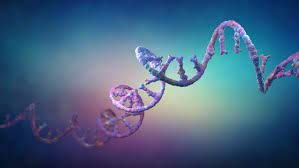
RNA is an essential biomolecule used for environmental applications, including monitoring microbe communities, developing pesticides, and quantifying the number of pathogenic viruses such as SARS CoV-2 in water and wastewater. Understanding how quickly the RNA breaks down under certain conditions is crucial to harnessing this molecule for these and other emerging technology.
Researchers working with Kimberly Parker at Washington University, St. Louis, have found that RNA can be hydrolyzed rapidly when adsorbed onto iron oxide minerals. Jeffrey G. Catalano is part of the collaboration of the Arts & Sciences Department of Earth and Planetary Sciences. The study results were published in Environmental Science & Technology on May 22.