A study published in Scientific Reports reports that spaceflight experiences, exceptionally more extended missions, and shorter recovery times between missions can cause fluid changes in the cerebral cortex. These changes may only be reversible after subsequent flights. The ventricles, cavities in the head filled with cerebrospinal liquid, expand with spaceflights lasting up to six months. Inter-mission intervals of less than three years may not be enough time to allow the ventricles a chance to recover.
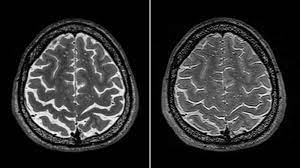
Spaceflight causes widespread changes to the human brain, including increased ventricle size. However, whether this change is affected by mission duration or previous spaceflight missions needs to be clarified. Rachael Siedler and her colleagues scanned 30 astronauts’ brains with MRI pre-and-post-spaceflight. This included astronauts on two-week (eight astronauts) and six-month (18 astronauts) missions, as well as those who had spent more extended time in space (four astronauts). The researchers found that the enlargement of the ventricular chambers was more significant during more extended missions in the area, but it decreased after six months.
After their last mission, the authors discovered that ventricle volumes increased for 11 astronauts, with more than three years of recovery time between tasks. The authors found, however, that seven astronauts with a shorter time between missions had little or no increase in ventricle volume post-flight. They suggest that less than three years between spaceflights is not enough time for ventricles to recover their compensatory ability to accommodate the rise in intracranial liquid, and they remain enlarged if astronauts return within this timeframe.
The findings shed light on how brain changes may be affected by spaceflight, both past and present, as it becomes more frequented and longer lasting. The authors conclude their findings will help improve future mission planning.