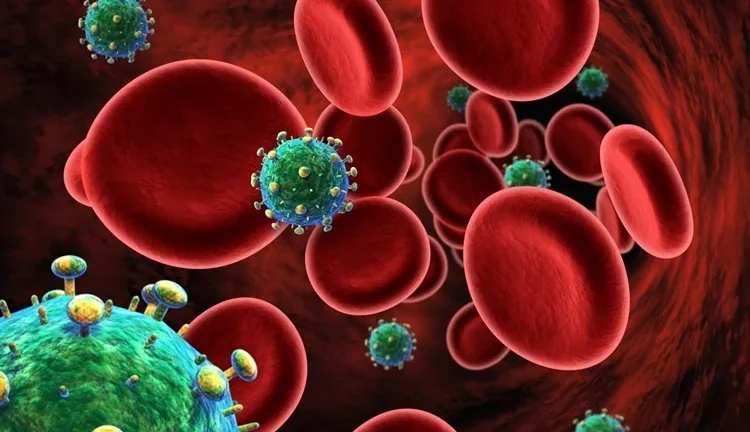
The reservoir of proviruses is the main obstacle to curing HIV/SIV infections. These are firmly incorporated into host CD4+ T cells. These viruses can persist after anti-retroviral treatment (ART) in many cases and can cause the virus to rebound upon cessation of ART.
Previous studies have shown that allogeneic stem cell transplantation from donors lacking C-C receptor 5 (CCR5 D32/D32) can cure HIV, but its mechanism has not been demonstrated. In a recent study published in Immunity, a nonhuman primates model was used to understand the treatment’s mechanism better. Allogeneic immune response was the main driver for virus clearance after alloHSCT.
Background
Four published cases of HIV cure have been reported. These are the Berlin, Dusseldorf, London patients, and New York City. All of these patients were cured by alloHSCT using CCR5 Donors D32/D32. Knowing the mechanism behind this treatment is essential, as it is unsuitable for everyone. This knowledge could have a profound impact on millions of HIV-positive people.
Three hypotheses exist for the mechanisms of alloHSCT-mediated HIV treatment. The first hypothesis is linked to pre-transplant immune conditioning and could eliminate the viral repository. The second one has related to donor-cell mediated allogeneic immune response in eliminating latently-infected cells. And the third is reconstituted.
CCR5 D32/D32immune systems that could be resistant to HIV rebound events.
Dusseldorf and London received reduced intensity conditioning (RIC) before alloHSCT. A myeloablative condition similar to that given to the Berlin patient was unnecessary for transplant-mediated HIV treatment. Autologous HSCT performed on SIV/SHIV-infected monkeys, or PLWH showed that myeloablative condition without complementing the allogeneic immune system had a marginal effect on the viral reservoir. This study indicates that CCR5 and allogeneic immune deficiency play a significant role in HIV cure after alloHSCT.
HIV studies in the clinical setting face several inherent challenges, including various ART regimens and transplant protocols, low case numbers and limited availability of tissue and blood, different infection histories, reservoir size, and the requirement for a long-term ART interruption to validate a cure. Pre-clinical models of alloHSCT could overcome many of these limitations and provide better insights into the immune processes that eliminate latent HIV.
The Study
CCR5 D32/D32alloHSCT, as stated above, is currently the only treatment that can cure HIV by eliminating virus reserves. Scientists have to overcome many obstacles when analyzing the mechanism behind this treatment. A clinically relevant nonhuman primates model of fully MHC-matched alloHSCT based on Mauritian Cynomolgus Macaques (MCMs), susceptible to HIV, was developed to overcome these limitations. In this study, CCR5wt/wt was administered at a lower intensity to MCMs infected by pathogenic SIVmac239 and receiving long-term ART suppression.
Study Results
Four MCMs that received alloHSCT were monitored every two weeks for four consecutive years. This study included longitudinal biopsy of the spleen and lymph nodes in the mesenteric region that are difficult to examine in humans. This study showed that an allogeneic immune response is critical to reservoir clearance. The clearance of the virus begins with peripheral blood and then moves to lymph nodes in the peripheral area before ending up at mesenteric nodes draining the gastrointestinal tract. This mechanism facilitates graft-versus-reservoir (GVR) effects in HIV infection, which resembles the development of graft-versus-leukemia (GVL) in cancer.
All four alloHSCT patients showed a decrease of approximately 1000-fold in the SIV reservoir. The exact role of the CCR5 Donor D32/D32 immune system in alloHSCT-mediated HIV cure is unknown. However, the current research indicates that CCR5 deficiency during early engraftment may be associated with a protective mechanism. CCR5 deficiency protects CD4+ T-cells from infection by preventing cell-to-cell virus spread. The donor immune system engrafting promotes allogeneic resistance and eliminates recipient CD4+T cells infected with the virus.
Limitations
This study is limited because the clinical research did not use RIC regimens. The differences in the efficacy of drugs between humans and macaques are the reason for this. Nevertheless, the conditioning regimen used mimics clinical approaches. This study’s small cohort of MCM alloHSCT recipients is another limitation. Another caveat is initiating ART 9-15 days after infection because, in most cases, PLWH will not create ART that early.
Conclusions
The current study provides evidence that allogeneic Immunity is the critical mechanism for eliminating latent viral reservoirs following alloHSCT. The authors propose a novel approach that can be used to cure HIV in PLWH, which promotes allogeneic Immunity and leads to an increase in GVR. A detailed characterization of alloreactive cells in transplanted patients would reveal new T-cell therapies for HIV cure.