Architecture is a rapidly evolving field that encompasses as much art as it does science. Thanks to the equally rapid evolution of technology, Australia is witnessing a significant transformation in the industry. Virtual reality, 3D printing, and other emerging technologies offer an abundance of new and exciting ways for architects and designers to approach their work. Whether they spend their time working with a local builder Bellarine Peninsula or a major construction company in Sydney, Aussie architects are beginning to take advantage of the following tools:
1. Building Information Modeling (BIM)
People are a little too liberal with the word “revolutionised” nowadays, but it’s genuinely no exaggeration to say that BIM software has revolutionised the planning and construction of buildings.
Armed with BIM software, architects can create a digital model of any building, allowing them to analyse every aspect of the design before construction commences. BIM also empowers architects to simulate real-world conditions and test their design ideas against them. In doing so, they can optimise core elements like acoustics, energy efficiency, and lighting. Advanced 3D modelling also allows for greater precision and accuracy, reducing errors in the design process and saving time and money during construction.
2. Virtual Reality (VR)
VR technology isn’t just popular among gamers – it’s also having a major moment in architecture and building design. Architects and designers can now create virtual environments that offer an immersive experience of what a building will feel like after construction. This means clients and stakeholders can get a feel for what they’re paying for in a more realistic way, helping them make far more informed decisions. Thanks to this technology, all the small but important details can be perfected long before they’re set in steel and concrete.
3. Augmented Reality (AR)
AR allows architects to overlay digital information on the physical world. Remember the Pokémon GO craze of 2016? That was AR. In the world of architecture, designers can use AR to place a 3D model of a building into a real-world site, giving them a clear view of how the building will fit into its environment. Architects are also using AR to visualise their design variations in real time, helping them make more informed decisions.
4. Sustainable Building Design
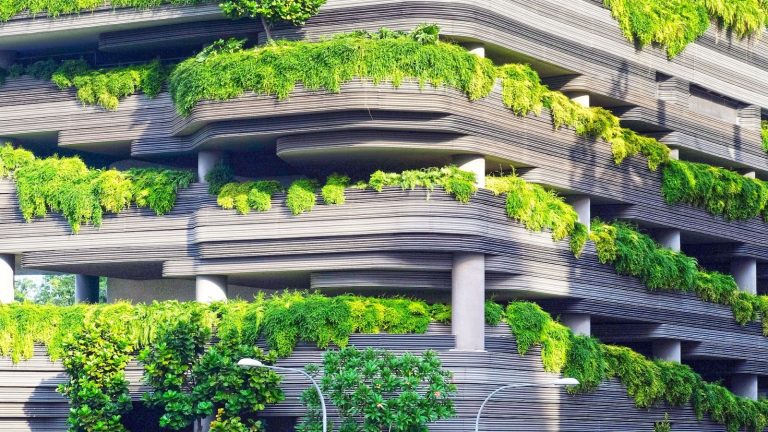
You’ll probably be pleased to know that technology is playing a significant role in the creation of eco-friendly buildings. For example, Building Energy Modeling (BEM) software offers a straightforward way for architects to optimise energy efficiency and reduce a building’s overall carbon footprint.
BEM software works by simulating a building’s energy usage, allowing architects to test ideas and adjust their designs to be more efficient and sustainable. By attaching sensors and monitoring systems in their buildings, architects can then track energy usage, giving them valuable data on areas for improvement.
5. 3D Printing
With the help of 3D printing, architects can deliver intricate models quickly and cheaply, making it far easier to visualise concepts for clients. On an even more impressive level, 3D printing is being used in Australia to create building components and even construct entire buildings in remote aboriginal communities. This technology is poised to transform the construction industry, paving the way for faster and more sustainable construction. After the supply chain crisis that resulted from the COVID-19 pandemic, such advancements are sorely needed.
If these technologies are widely and rapidly adopted, the outlook is good for architecture and construction in Australia. BIM, 3D modelling, VR, AR, sustainable building practices, and 3D printing are just a few examples of how technology is transforming the industry.