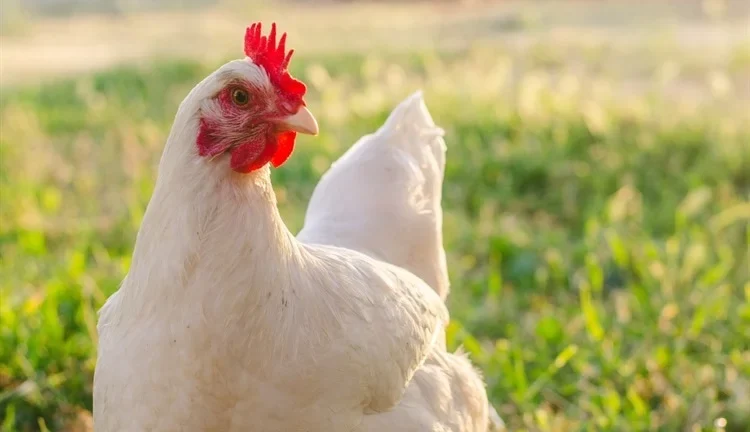
The Virology journal study evaluates the cross-species spread of SARS-CoV-2 variants that have recently emerged between human and poultry species.
Background
SARS-CoV-2 spread rapidly, resulting in the COVID-19 pandemic, killing almost seven million people worldwide. SARS-CoV-2 genomic mutations have resulted in SARS-CoV-2 variations, some classified as variants (VOIs) or variants (VOCs). VOCs can be more virulent than SARS-CoV-2 variants of interest (VOIs) and escape immunity from COVID-19 vaccine or natural infection.
SARS-CoV-2 has been detected in animals that are in close contact with people. This could be because of mutations in the spike protein (S) and the host receptors. Several studies have confirmed the ability of the receptor binding domain (RBD) of the SARS-CoV-2 S protein to interact with the angiotensin-converting enzyme 2 (ACE 2), including those found in several species, such as horses, monkeys, and sheep.
ACE2 receptors in mice and humans are different. At the pandemic’s beginning, the ancestral SARS strain could not infect regular laboratory mouse models. SARS-CoV-2 Beta variants and Omicron strains could infect laboratory mice via intranasal injection. Multiple studies have demonstrated that SARS-CoV-2 VOCs can infect other species due to mutations.
Only the Gammacoronavirus from the coronavirus family can cause infectious bronchitis in chickens. Chickens, like mice, were less susceptible to SARS-CoV-2’s original strain. No studies have been conducted to determine the possibility of SARS-CoV-2 VOCs being transmitted in poultry, such as chickens and ducks.
Both in experimental and natural infection situations, poultry is considered an unlikely intermediate host of SARS-CoV-2. The rapid evolution of SARS-CoV-2 indicates that this virus has a greater transmission capacity. It is, therefore, essential to know whether the SARS-CoV-2 virus will continue to evolve and allow poultry to be an intermediate host.
The study
The present study examined the possibility of SARS-CoV-2 VOC in chickens. The differences between the critical amino acids of Neuropilin 1, tyrosine kinase UFO (AXL), ACE2, and ACE2 receptors in humans, hamsters, and rhesus pigs were compared. These receptor proteins were also tested for their ability to bind SARS-CoV-2.
GenBank provided the FASTA sequences for the NRP1, AXL, and ACE2 of the species above and the SARS-CoV-2 Wuhan Hu-1, Delta, and Omicron strains.
Study Findings
The amino acid sequences AXL, NRP1, and their interspecific protein models predicted that chickens would be intermediate hosts for SARS-CoV-2.
AXL and ACE2 were the most likely binding sites for SARS-CoV-2 emerging VOCs. This indicates that these two sites may play a role in establishing intracellular infection in poultry. NRP1 is less likely to be a target of SARS-CoV-2 infection in chickens.
Recent studies have revealed that members of the coronaviruses, such as Betacoronavirus, can infect many hosts, including dogs, humans, and cattle. It is because of the high level of sequence consistency that can lead to virus transmission between species. The Delta and Omicron versions contain more mutations than the SARS CoV-2 Wuhan Hu-1 S protein. This could help their altered susceptibility toward chicken.
Scientists are conducting experiments and monitoring research better to understand chicken susceptibility to infection with SARS-CoV-2 VOCs.
Conclusions
This study offers important insights into the human-animal transfer of SARS-CoV-2 and shows that chickens may be intermediate hosts. The AXL receptors and ACE2 of chickens have been identified as potential targets for emerging SARS-CoV-2VOCs. However, further research is needed to analyze the other host factors associated with SARS-CoV-2.
The possibility that poultry could be infected by SARS-CoV-2 due to their global distribution and large numbers of birds is a severe threat to the public’s health. Cross-species transmission from chickens to humans or humans to chickens could cause another human epidemic. Scientists and policymakers should analyze the study results to formulate effective measures to prevent this type of occurrence.