Researchers conducted prospective observational research in three German healthcare centers to better understand the impact of ADAMTS13 during the coronavirus 2019 (COVID-19).
Background
ADAMTS13 (von Willibrand-factor-cleaving protease) cleaves VWF to prevent ultra-large VWF polymers. ADAMTS13 is required to avoid thrombocytic thrombocytopenic Purpura, a rare but life-threatening blood disorder often treated by plasmapheresis.
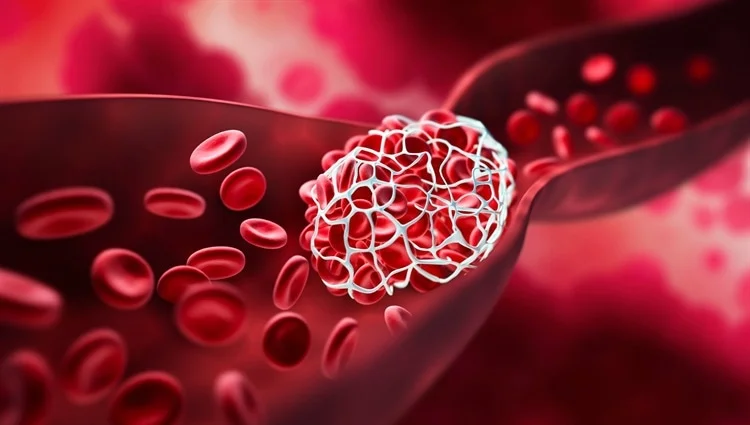
Recent studies have shown that COVID-19 increases VWF antibody levels, which in turn exceeds ADAMTS13’s processing capacity. This leads to large VWF polymers, similar to those seen in TTP. THEREFORE, the ADAMTS13/VWF Antigen (VWF: Ag) ratio can be used to predict COVID-19 severity.
There still needs to be more research into ADAMTS13 antibodies and their role in COVID-19. Recent studies have examined two small series of COVID-19 cases, where only one patient out of 13 showed detectable ADAMTS13 antibodies.
The study
COVID-19 has an increased risk for autoreactivity. Researchers investigated if autoantibodies against ADAMTS13 contributed to the reduction in ADAMTS13/VWF/Ag ratio seen in COVID-19.
In the present study, 156 patients from Ruhr-University Bochum and Asklepios Klinikum Hamburg Harburg were studied. Ninety of them were hospitalized because of COVID-19.
Blood samples from each participant were collected to determine ADAMTS13 levels and autoantibodies greater than 16 U/mL. The VWF: Ag was measured using a sandwich enzyme-linked immunosorbent assay. This was calculated by multiplying ADAMTS13(IU/ml),/VWF/Ag (IU/ml). VWF multimer analyses were performed using a sodium dodecyl sulfate agarose gel.
ADAMTS13 autoantibodies during severe COVID-19
Nearly one-third of hospitalized COVID-19 patients had autoantibodies to ADAMTS13. ADAMTS13 activity was low and indicated an inhibitory effect of the protease. This phenomenon was not seen in patients not diagnosed with COVID-19 and treated in the intensive care unit. These results suggest that ADAMTS13 levels can be used to predict COVID-19 severity.
Increased ADAMTS13 levels and increased VWF release contributed to a decrease in the ADAMTS13/VWF/Ag ratio. In diagnosing TTP, it is essential to note that reduced ADAMTS13 activities and ADAMTS13 antibodies in serum are established criteria.
No patient in the study had severe thrombopenia, defined as a low platelet count (less than 50,000/ul). This suggests that the inhibitory effect of apathogenic ADAMTS13 antibodies was less in COVID-19 compared to TTP.
The large VWF multimers are found in microthrombi, and their decreased concentrations in blood may have contributed to the immunothrombosis caused by COVID-19. SDS agarose analyses of samples from COVID-19 patients confirmed these findings.
COVID-19 patients have similar antibody patterns to those of lupus and rheumatoid arthritis. COVID-19 patients with severe illness also show hallmarks of B cell activation, BCR (B-cell repertoire), and autoimmune conditions.
Two synergistic mechanisms increase the risk of thrombotic angiopathy in severe acute respiratory syndrome coronavirus two infections (SARS-CoV-2). The protease activities of ADAMTS13 were above normal limits due to an excessive release of VWF.
COVID-19 induces an autoreactive inflammatory milieu that leads to the production of autoantibodies against ADAMTS13. These autoantibodies then reduced the activity of ADAMTS13 and contributed to immunothrombosis. These two mechanisms could increase the likelihood of COVID-19 forming ultra-large VWF polymers similar to those found in TTP.
Conclusions
The current study found that plasma exchange therapy significantly decreased the VWF: Ag and increased ADAMTS13 activities in 25 severe COVID-19 with acute respiratory distress. This restored the physiological balance of VWF and its protease.
The study results prove that plasma exchange therapy benefits COVID-19 treatment beyond attenuation or elimination of circulating inflammation and cytokines. Considering VWF, ADAMTS13 activities, and ADAMTS13 antiantibodies during the diagnostic workup for COVID-19 can also provide valuable insights into disease severity.