Australians suffer from arthritis, and this number is expected to rise to 5.4 million by 2030.
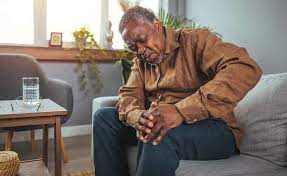
Cold weather can make joint pain worse. Temperature is only one factor that impacts perceptions of more pain in winter. Sleep is one factor, but there are others that we can influence, such as behavior patterns, mood, and exercise. Recent research indicates that greater pain levels in winter could also be linked to perceptions of weather and lack of vitamin D.
Physical Activity can improve mobility, function, and strength. It also increases the quality of life. It also improves physical and mental health and lowers the risk for other chronic diseases.
Pain can prevent you from exercising or doing what you usually do. What can you do?
The brain protects us.
Our brains are very protective when it comes to pain. It’s like an alarm system that can alert us of impending danger or harm.
It’s important to note that even if it feels like it, it may not be a reliable indication of damage or trauma. This warning system may sometimes be unhelpful by triggering “false alerts.”
Around 3.6 million Australians suffer from arthritis, which is expected to rise to 5.4 million by 2030.
Cold weather can make joint pain worse. Temperature is only one factor that impacts perceptions of more pain in winter. Sleep is one factor, but there are others that we can influence, such as behavior patterns, mood, and exercise. Recent research indicates that greater pain levels in winter could also be linked to perceptions of weather and lack of vitamin D.
Physical Activity can improve mobility, function, and strength. It also increases the quality of life. It also improves physical and mental health and lowers the risk for other chronic diseases.
Pain can prevent you from exercising or doing what you usually do. What can you do?
The brain protects us.
Our brains are very protective when it comes to pain. It’s like an alarm system that can alert us of impending danger or harm.
It’s important to note that even if it feels like it, it may not be a reliable indication of damage or trauma. This warning system may sometimes be unhelpful by triggering “false alerts.”
Joint stiffness and pain can worsen in colder weather. This may cause fear that we might exacerbate the condition by overdoing movement. This may cause them to avoid physical activity, even if it is beneficial.
Exercise is less common in cold weather.
The seasons influence the amount of physical activity we do. Warmer temperatures, extended daylight, and outdoor Activity mark the summer months. The warmer weather can also lead to an increase in positive attitudes, moods, and physical Activity.
The cooler months may mean less physical activity and more time spent indoors. Reduced movement and exposure to light can lead to increased joint pain and even decreased mood and well-being.
With the proper support and knowledge, people can maintain an active lifestyle, especially if it aligns with personal values and goals. Physiotherapists and doctors can help you identify issues and develop strategies to address them.
Staying active during winter is easy if you follow these tips.
It is essential to be aware of all the interconnected factors that can impact your life. These include:
- Biological (your genes or other diseases you have)
- Psychological (how you feel, think, and behave)
- Social (your social relationships and support)
It can be helpful to start with the end in mind, but it can also feel overwhelming. You can achieve your goal by taking smaller steps, such as climbing a ladder. You can, for example, start by parking a few steps away from the shops. Then gradually increase this distance to improve your tolerance.
It is often less taxing on the body to do a little every day than a lot once a week.
Create goals you can celebrate along the way. (For example, catch up with friends and a healthy snack). As you progress up your “ladder,” you’ll likely be more motivated.
Talk to a friend or a healthcare provider if you are still figuring out where to begin. They can help you decide what’s realistic and appropriate for your situation. You can achieve your goals in a safe and non-threatening environment, and you will avoid fear and avoidance. You can also set goals that are aligned with your pain and aspirations.