Researchers at Monash University have discovered why certain intestinal worm infections in animal models become chronic, leading to the development of human vaccines and better treatments.
Parasitic worms (helminths) infect their host by living within the gut. Around a quarter (25%) of the global population suffers from helminth infection.
In developing countries, such as sub-Saharan Africa and South America, they are a significant problem. They can pose a severe problem for First Nations communities in Australia.
Some people can fight off parasites because they have an effective immune response. People who do not develop an effective immune response can suffer from a chronic infection.
The Monash Biomedicine Discovery Institute published a study using animal models revealing a missing protective immunity feature in chronically infected people.
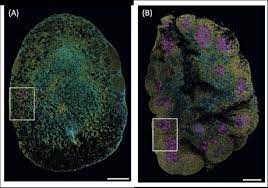
Researchers discovered that T follicular (TFH) helper cells behaved differently on a cellular and molecular level during acute, resolving, or chronic helminth infections.
In some cases, the cells could protect against chronic illnesses but not in others.
The first author Dr. Aidil Zaidi stated that blocking the TFH reaction impaired worm clearance and promoted chronic infections. Therefore, the key to facilitating the protective mechanism was to find ways to enhance it.
He added that humans have a variety of immune responses. Further research could lead to ways to protect those prone to chronic diseases.
“Our findings are proof of concept that harnessing protective features of immune cells could pave the road for the development and production of new drugs to combat helminths, as well as human vaccines.” Dr Zaini said.
The parasites are developing resistance to these drugs, which makes them less effective.
Dr. Zaini stated that the results were promising and warranted further research. He noted that the ultimate goal of therapy was to develop vaccines for parasitic helminths, which are not currently available.
Professor Zaph stated, “Our discovery contributes significantly to the literature on protective immune features in helminth infections.”
This knowledge can be explored further to develop long-term immune interventions for helminth infection and diseases like allergies. Interestingly, our immune system produces a similar immune response when dealing with helminth infections and allergic reactions.
Colby Zaph, co-senior researcher, said: “The functional diversity of our immune system can be exploited in the future to manipulate immune response.”
The co-senior author, Professor Kim Good-Jacobson, stated that parasitic infections remain a significant global health burden. This research will help us find new ways to treat or prevent these diseases.
The full article can be found in Mucosal Immunology. Heterogeneous Tfh cells that develop during enteric infection predict the type 2 protective response.