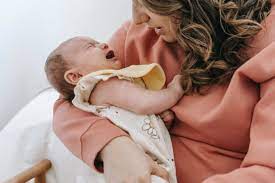
A team of international scientists led by UCLA psychologists found that the gut microbiome of 2-year-olds reflects hardships experienced by mothers in their childhoods or during pregnancy.
Researchers found that the microbiomes of children had minor to medium-sized changes. This is the first study to show the effects of adversity across generations on the microbiome in the human gut.
Researchers say a growing body of research links the gut microbiome with brain and immune function. They also believe that changes in the community of microorganisms are likely to be one of the ways that difficulties affect children’s social-emotional development.
The study was published in the Proceedings of the National Academy of Sciences and builds on research done in rodents that showed that prenatal stress can disrupt the microbiome of both the vaginal area and the gut. The microbiome of mothers is the foundation for their children’s microbiome, as babies get their first gut bacteria from their mothers during birth.
In humans, previous research has shown that stress experienced in the womb by the baby and the mother’s psychological distress affects the infant’s microbiome shortly after birth. At the same time, it is known that prenatal stress can affect the microbiome of rodents into adulthood. Scientists did not know, however, how long the disturbances lasted in humans or if they influenced future generations.
In a study of 450 mother-child couples in Singapore, the researchers examined the effects of maltreatment on mothers in their childhoods. They also looked at pregnancy anxiety and their children’s exposure to stressful events. Researchers asked mothers to recall any abuse, neglect, or maltreatment they experienced as children. They also screened mothers for anxiety in the second trimester.
Researchers also interviewed the children’s primary caregivers to learn about the stressful events the children experienced and their general health and behavior during their first two years of life. They also collected stool samples. Researchers controlled for family income, often used as a proxy for childhood adversity.
The microbiomes of children whose mothers had reported higher anxiety levels during pregnancy were characterized by similar populations of species of microorganisms, a measure biologists refer to as “evenness,” and which was not previously discovered. The microbiome of the gut is typically “lumpier,” with some species more abundant than others. The study sample showed less pronounced differences, with populations of similar size.
The microbes in the gut of children who have experienced a stressful life event after birth had less genetic variety, meaning they were more closely related than average.
The amount of adversity didn’t affect how similar the gut microbiomes of children were. The children still showed variation.
Many species that we identified as being related to adversity have been known to interact in some way with the immune systems, suggesting the possibility that the way the gut bacteria interact with the immunity system may be different after adversity. “There’s much we still need to investigate in the future.”
Researchers also discovered that specific mental and behavioral problems were associated with the abundance of particular species in the gut microbiome. The authors note that although none of these species are the ones that were associated with adversity, they have previously been linked to it. They may also perform similar functions.
The brain-gut connection develops quickly during the first 2 to 3 years of life. It is also likely that changes caused by adversity, as shown in the study, influence the socioemotional growth of children.
Scientists are learning more about the connection between the brain and gut microbiome, a developing field of study known as nutritional psychiatry. This area focuses on how dietary changes can affect mental health.
Bridget Callaghan is a UCLA assistant psychology professor and senior author of the paper.
Our study is part of a growing body of research that shows the effects of early experience and transgenerational experiences on the microbiome. We can manipulate diet, supplements, and lifestyles to impact an individual’s microbiome positively.