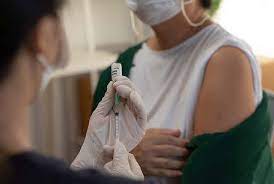
Researchers are close to creating a vaccine that will protect children from bacterial ear infections.
The vaccines are designed to target non-typeable Haemophilus flue, one of the most common types of bacteria that causes infections.
The lead researcher, Dr. Erin Brazel of the University of Adelaide, said an effective vaccine could be a significant achievement. Over 80 percent of Australian children experience middle ear infections before age three.
She said that they could be severe in some instances.
The pain can be caused by a lot of pressure behind the eardrum in this middle-ear infection.
Dr. Brazel stated that the vaccine would be based on dead bacteria.
She said that the approach used to kill bacteria does not damage the shape of the bacteria.
The goal is to expose your immune system so that it can recognize and develop antibodies that help clear the infection if it’s revealed later.
The university is also helping to develop a new pneumococcal vaccination that has been undergoing clinical trials.
If all goes according to plan, Dr. Brazel believes that exciting opportunities may lie ahead.
She said, “We would like to see if we could combine these two vaccines in order to target the two main causes of ear infection.”
A vaccine may also prevent the symptoms of chronic lung disease, or COPD (an inflammatory condition), from worsening.
“We hope that, if a vaccination is effective against this bacteria, we can target people who have COPD to prevent it from happening,” said Dr Brazel.
Marlee Telfer of South Australia, whose daughter Anabelle, aged two, has suffered 14 ear infections in the past year, is relieved to hear that a vaccine may be available.
Ms. Telfer stated she had “16 [ear infections]” in the past year.
She doesn’t have excellent communication skills, so it’s hard to tell if something is wrong or she is in pain.
A mother told us she pushed for a referral from her GP to an ear, nose, and throat specialist because of how many antibiotics the daughter was taking.
She said, “I believe the vaccine is a great alternative for children who are not eligible for additional treatment.”
I’d prefer her to have something other than antibiotics.
Dr. Brazel stated that the project was still in its initial stages of development.
She said it takes 10 to 15 years to develop a vaccine from its very early stages to being licensed.