If you eat late-night snacks regularly, you may be curious about their impact on your body. A 2021 International Food Information Council survey revealed that 60% of U.S. adults admit to snacking after 8 pm. Furthermore, a 2023 review published in Nutrients found that snacks comprise 20% of Americans’ total energy intake.
We love our snacks. And who can blame us? When the urge to snack hits, the cravings are tough to resist. But what does late-night snacking do to your body? In this article, we’ll cover the benefits of late-night snacks, their potential downsides, and how they affect your body. We’ll also guide you through choosing healthy late-night snacks and offer valuable tips on what to look for and what to limit to maintain healthy eating habits.
What Is Late-Night Snacking?
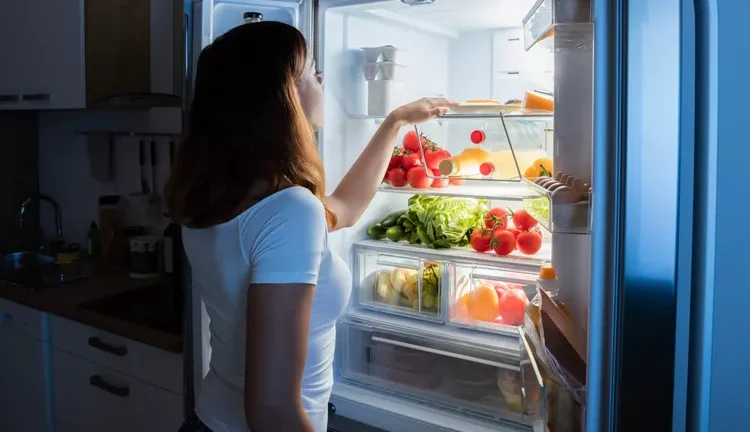
Late-night snacking is when you consume food or beverages after dinner or close to bedtime. These cravings are tough to curb and can be attributed to various reasons, including hunger, habit, boredom, stress, or simply unwinding before bedtime. After all, everyone can relate to the pleasure of eating delicious snacks while binging your favorite Netflix show. However, your evening snacks’ quality, amount, and timing can significantly impact your health.
Health Benefits of Late Snacking
May Nourish Your Body
Late-night snacking can be an opportunity to provide your body with essential nutrients it may have missed during the day. Choose nutritious and minimally-processed foods like Greek yogurt with berries, whole-grain crackers with hummus, or a small portion of mixed nuts to satisfy hunger and nourish your body with vitamins and minerals.
Having high-protein foods before bed can also support rest and recovery if you’re active. Kelsey Kunik, RDN, a registered dietitian nutritionist at Graciously Nourished, tells EatingWell, “Snacking at night can help provide your body with nutrients, like protein, needed for muscle recovery while you sleep.”
Can Help You Sleep Better
A light, balanced snack before bed can promote better sleep by preventing hunger-induced awakenings at night. Research, such as a 2018 article in the ACSM’s Health and Fitness Journal, shows that having a light, healthy snack before bed is a good sleep hygiene practice if you’re hungry at night. Additionally, opt for snacks that contain tryptophan-rich foods like nuts or seeds, which can help your body produce the sleep-regulating neurotransmitters serotonin and melatonin, per a 2018 article in the International Journal of Tryptophan Research.
“Use late-snacking as an opportunity to eat foods that can help you sleep. Foods rich in magnesium or melatonin can help you get a better night’s rest,” says Kunik.
It may Help Regulate Your Blood Sugar.
According to a 2022 meta-review published in the American Journal of Clinical Nutrition, late-night snacking on high-protein foods may help maintain stable blood glucose levels throughout the night. This is good news for those with diabetes or concerns about blood sugar levels.
To prevent blood sugar spikes and crashes, eat snacks that combine protein, healthy fats, and complex carbohydrates, such as an apple with nut butter or whole-grain toast with avocado. “Eating a balanced snack at night could help with better blood sugar control for people with diabetes,” says Kunik.
Potential Downsides
May Cause Digestive Issues
According to a 2020 article in the International Journal of Environmental Research and Public Health, late-night snacking could lead to gastrointestinal discomfort during sleep, such as indigestion, heartburn, and acid reflux. Avoid heavy or spicy foods and opt for light and easily digestible snacks that won’t tax your digestive system, like a small bowl of oatmeal or a banana with almond butter.
Kunik tells us, “Late-snacking could worsen acid reflux. People who have acid reflux and eat just before laying down may wake up during the night with uncomfortable symptoms.”
May Cause You to Wake Frequently During Sleep
According to the 2020 article, consuming large or sugary snacks close to bedtime can disrupt your sleep pattern, causing you to wake up often. Avoid caffeine, sugary treats, and high-calorie snacks before bed to enhance sleep quality.
“Eating foods that take a lot of effort to digest, like high-fat foods or heavy meals, could cause you to wake up frequently throughout the night,” says Kunik.
May Lead to Weight Gain
Let’s face it, late-night snacking is often done out of boredom or habit. This means you’re likely eating too many calories, potentially causing unintentional weight gain. “Late-snacking could lead to weight gain,” cautions Kunik. “If late-night snacking is often done while watching TV or another activity where you’re not mindful of what you’re eating, it can be easy to eat more food than you otherwise would.”
The Best Late-Night Snacks and How to Choose Healthy Options
Next time you’re standing at the pantry deciding what to snack on, choose nutritious foods low in added sugars and saturated fats. Focus on snacks rich in protein and fiber to promote satiety and prevent overeating. Healthy choices for late-night snacking include Greek yogurt with berries, a small handful of nuts, whole-grain crackers with hummus, or a slice of whole-grain toast with almond butter.
Limit ultra-processed and sugary snacks and eat in moderation. It’s tricky, but try to balance satisfying your hunger without overloading your body with excess calories before bed.