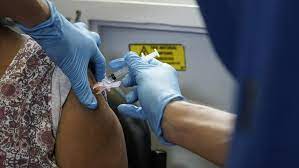
Researchers have conducted a first-ever Australian study on the effectiveness of COVID-19 vaccinations in First Nations populations. The results show effective immune responses.
In partnership with Menzies School of Health Research, researchers from the Peter Doherty Institute for Infection and Immunity examined the immune responses of Aboriginal and Torres Strait Islanders and 39 non-Indigenous Australians from Darwin.
The study is the first to examine First Nations peoples’ reactions to COVID vaccinations. It fills a research gap after the cohort wasn’t included in the initial COVID-19 trials.
After two doses of mRNA, researchers found that Aboriginals and Torres Strait Islanders showed potent antibodies and T-cell responses and high levels of binding antibodies to the virus.
We found that First Nation peoples had potent immune responses. Still, we also saw reduced antibody responses among Indigenous and non-Indigenous individuals suffering from comorbidities such as diabetes and kidney disease,” said Professor Katherine Kedzierska of the Doherty Institute.
Our study shows that additional and earlier boosters of vaccines are essential for First Nation Peoples. It also highlights the importance of keeping up-to-date with COVID vaccines, particularly for those with comorbidities.
Damien Griffis is the chief executive officer of the First Peoples Disability Network. He said that the study was crucial because very little data was collected explicitly for First Nations and people with disabilities.
“I’m unaware of any reliable data relevant to First Peoples with disabilities and COVID, and we must understand this situation.” He said that we always need more information.
“I do not believe there are sufficient data in the Australian disability community as a whole, so there is still a big gap.”
Hassan Vally is an Associate Professor of Epidemiology at Deakin University. He said that the study confirmed and reaffirmed that vaccines are effective for First Nations suffering from high rates of chronic diseases and comorbidities.
He said that this would help to reinforce the message to First Nations groups that despite the fact the overall risk is decreasing, there are still some who remain vulnerable. They should be aware of the importance of maintaining their immunity.
Dr. Vally stated that the immune response results, while highly encouraging, were limited.
He said that the only way to prove efficacy for this group was to compare it to another group and see if they were infected or suffered from severe disease.
He said: “We are concluding that high antibody levels and T-cells that look to be working translate into protection in real life.”
It’s not unreasonable; we do this because it is a much simpler way to conduct these studies.