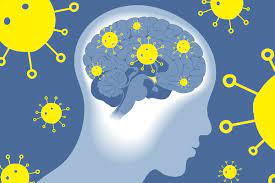
The post-COVID-19 condition is not linked to active brain damage or viral infection. A study conducted at the University of Gothenburg has shown this. The participants’ blood and cerebrospinal samples were not able to produce any abnormal biomarkers.
The “Post-COVID Condition” or “long-covid”, which can occur after the acute phase, can last for months. This condition can include a combination of fatigue, apathy, and memory and concentration problems.
The Journal of Infectious Diseases published a study that included 25 participants with a confirmed COVID-19 condition. Six people did not have any residual symptoms following COVID-19, and 17 controls were free of COVID-19.
The study’s strength is not the small number of participants but the fact that all of them, including the controls, underwent not just blood tests but also the more invasive procedure of collecting cerebrospinal liquid through lumbar punctures.
The samples were collected after at least three months had elapsed since the first signs of COVID-19 had been experienced by those who had the disease. The samples were collected between February and December 2021 and analyzed to determine 37 biomarkers.
No differences between groups
The analyses of blood and cerebrospinal liquid showed that SARS CoV-2 antigens could not be detected in any sample. There were also no significant differences in the blood and cerebrospinal liquid analyses for markers of brain injury or immune activation. These findings suggest that the post-COVID state is not a result of an ongoing infection, immune activation, or brain injury.
Nelly Kanberg is the first author of this study. She is a doctoral candidate in infectious diseases at the University of Gothenburg’s Sahlgrenska Academy and a specialist at Sahlgrenska University Hospital.
She says that the findings “enhance our understanding of post COVID condition.” The results indicate that the condition may be more likely caused by events that occurred during the acute phase of COVID-19 than by a persistent viral infection or inflammation of the central nerve system.
Uncertainty surrounds the extent to which post-COVID condition is linked to inflammation in the body during the infection. Around the world, many studies are being conducted on post-COVID conditions and risk factors.
Long-term care and health are important.
Nelly stresses the importance of continuing research into the impact of COVID-19 over the long term on neuropsychiatric healthcare. Magnus Gisslen is her main supporter, a professor of infectious disease at Sahlgrenska Academy who has been responsible for the study. “In order to improve care and quality-of-life for those experiencing long-term neurologic symptoms after COVID-19, we need to better understand the underlying cause of the post-COVID conditions,” he says. This study offers new insights into this condition and could be a valuable contribution to ongoing discussions and research.