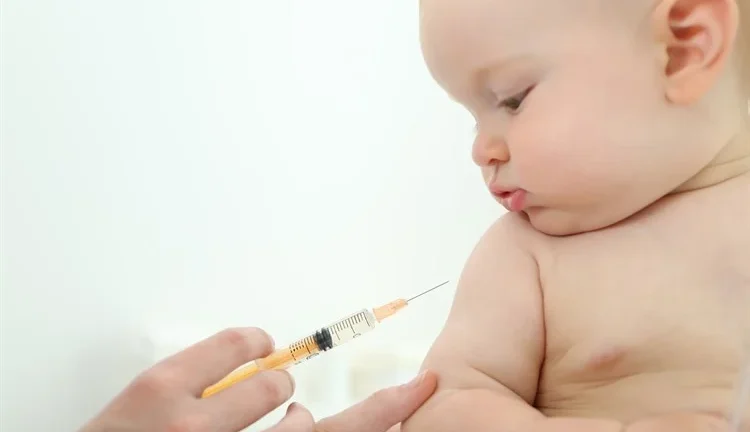
Researchers have published a study on the preprint servers that assesses the vaccine effectiveness of Moderna messenger ribonucleic acids (mRNA)-1273 in preventing symptomatic severe-acute-syndrome coronavirus-2 (SARS-CoV-2) and the hospitalizations associated with it, among children aged between six months to five years.
Background
The mitigation of the COVID-19 pandemic is dependent on vaccination. On July 28, 2022, a two-dose regimen of Moderna’s mRNA-1273 was made available to the Ontario pediatric population between 6 months and five years old, with an interval of at least eight weeks.
In clinical trials, the mRNA-1273 vaccine was effective against COVID-19 symptoms in individuals between 2 and 5 years old. It was also effective for those aged between 6 months to 2 years during the SARS-CoV-2 Omicron predominance. There needs to be more real-world data on the effectiveness of mRNA-1273 in children aged between six months to five years.
The study
The current study was conducted between July 28, 2022, and December 31, 2022. It included 4,039 community-residing children between six months to five years of age with reverse transcription-polymerase chain reaction (RT-PCR)-confirmed symptomatic COVID-19, as well as clinical signs and symptoms of the disease.
COVaxON’s data system reported that the study exposure received the mRNA-1273 vaccine, whereas the outcomes were RT-PCR-confirmed symptomatic COVID-19 and hospitalization.
The team excluded immunocompromised children, those without health insurance, those with missing data on sex, birth date, or postal code, or those who had received Pfizer’s BNT162b2 vaccine before July 28, 2020. The study excluded children who tested positive for COVID-19 within 90 days of the date of the specimen collection and those who had received their first dose of COVID-19 less than two weeks prior.
The study included covariates such as age, sex, and comorbidities. It also looked at the area of the population health unit, influenza vaccination status, the frequency of physician visits in the prior year, the quality of maternal healthcare providers, and the 2016 Census data on income, density, visible minorities, and non-essential workers.
The odds ratios of the mRNA-1273 vaccine among COVID-19 patients compared to controls were calculated using multivariate logistic regression modeling. The effect modifications were determined based on participant age, ranging from 6 months to less than two years and between 2 and 5 years if the SARS-CoV-2 RT-PCR test was positive 90 days before the index date.
Complete mRNA-1273 vaccination effective in children under five
The study cohort comprised 572 COVID-19-positive cases and 3,467 control subjects, representing 14% and 86%, respectively. COVID-19-positive individuals were more than twice as likely to reside in high-density households and areas that excluded the middle statistical quintile of visible minorities. The mRNA-1273 vaccines reduced symptomatic COVID-19 and associated hospital admissions one week after the second dose, with VE values of 90 and 82%, respectively.
The VE for symptomatic COVID-19 is 20% at least two weeks after the initial vaccination and 90% a week or more after the second vaccination. The peak single-dose VE occurred between two and four weeks following the initial vaccine and then decreased. Only 222 hospitalizations associated with COVID-19 were documented. Fewer than ten hospitalizations occurred among children who received mRNA-1273.
The VE for COVID-19 hospitalizations associated with the initial vaccine was 58%, and the VE for subsequent vaccinations was 82%. The VE estimations against symptomatic COVID-19 were unaffected by previous COVID-19 experience or age.
Conclusions
Generally, two mRNA-1273 vaccines protected children between six months to five years against COVID-19 symptoms and hospitalizations. The health-seeking behavior of children may distort the study results, and they are not generalizable to those with immunosuppression or without access to COVID-19 test facilities during the Omicron-dominant period. It is necessary to conduct further research to assess the long-term VE and booster dose requirements.
Comparing estimates of VE against symptomatic Covid-19 to those from previous studies in Ontario, the VE was similar for children aged five to eleven years following the first vaccination. The estimates were 20% and 24%, respectively, two to four weeks after the first vaccination. After the second vaccination, VE levels were higher after the second vaccination at 90% and 66%, respectively.
The present study found that, although COVID-19 was not associated with deaths, VE estimates for hospitalization or death related to COVID-19 among children aged 5 to 11 were 82% and 79%, respectively, one week or more following the second dose.