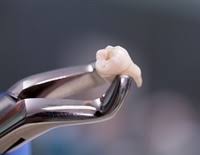
The inferior alveolar (IAN) nerve is a branch from the trigeminal, providing sensation to the lower lips. Dental procedures, such as tooth extraction, implantation, and periodontal surgeries, can damage the IAN. These procedures may lead to sensory dysfunction and a decline in the patient’s well-being. The peripheral nervous system has been shown to have a regenerative capacity, but it has proven difficult for the sensory area to recover spontaneously.
According to a study published in the prestigious medical magazine International Journal of Oral Science on 8 June 2023, the loss of sensation in the lower lip caused by damage or sacrifice of the inferior alveolar nerve (IAN) during mandibulectomy may not be irreversible. Researchers from a team of experts shed light on the possibility of sensory recovery for patients undergoing IAN sacrifice. This could lead to an improved quality of life.
In the study, 75% of those with unilateral IAN surgery experienced a near-complete sensory recovery in their lower lip after 12 months. This suggests that the body can self-repair or compensate for nerve injuries. The factors that influence the recovery rate in sensory function were also identified. The recovery times of younger patients were faster, and the preservation of ipsilaterally of buccal or lingual nerves correlated with better outcomes. Patients with malignant tumors also tended to show speedier recovery of sensory function compared to patients with benign tumors. Animal models were used to explore the underlying mechanism of sensory recovery. Researchers used a Thy1-YFP mouse model of mental nerve transection and tissue-clearing techniques to observe changes in the peripheral nervous system. The experiments revealed that the ipsilateral Buccal Nerve was vital in sensory innervation for the lower lip. Apolipoprotein D was identified as the key player in further investigating the molecular mechanism involved in sensory recovery. ApoD expression was up-regulated significantly in the lower lips after nerve transection. It was also found to promote axonal growth and neurite formation. The study also highlighted the role of TGF-b in the Schwann cell signaling pathway. TGFb regulates the expression and release of ApoD. Zfp423, a zinc-finger transcription factor, has been identified as a regulator for ApoD through the TGFb signaling pathway. Zfp423 was silenced, increasing ApoD and sensory recovery.
These findings offer valuable insight into the complex processes that underlie sensory recovery following peripheral nerve injury. Autologous nerve grafting has become the gold standard in reconstructing peripheral nerve segment defects. This approach has its limitations. These include donor site morbidity, limited nerve supply, and unsatisfactory results. This study opens up new opportunities for improving reconstructive surgery techniques to improve patient outcomes. It also offers alternative treatment options. These findings could revolutionize reconstructive surgery and improve the lives of these patients. Further research will lead to new treatments and interventions, which should result in better outcomes and a higher rate of sensory recovery.