Researchers examined the effects of six experimental regimens, as well as the standard treatment for TB, in a study published recently in the journal The Lancet Microbe.
Background
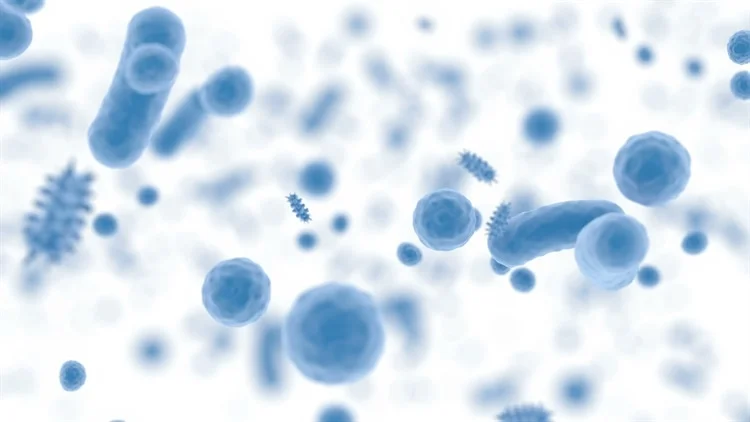
In recent years, extensive research has been conducted on the role that various microbiomes play in overall health. Studies have shown an association between dysbiosis of the gut microbiome and a number of diseases. Research is indicating that respiratory microbiomes play an important role in modulating the host immune system and increasing resistance to respiratory pathogens. Microbiome dysbiosis has been linked to a variety of diseases and antibiotics.
The standard treatment for tuberculosis includes two months of isoniazid treatment followed by four months of isoniazid treatment. This does not disturb the diversity of the respiratory microbiome, but it can cause the depletion of specific commensal bacteria that are immunologically significant.
New and shorter tuberculosis treatment regimens are being tested with the goal of reducing the exposure time of antibiotics to the respiratory microbiome.
The respiratory microbiome can be affected by factors like disease and diet. This is why it’s important to study the effects of antibiotics on the microbiome.
The study
Researchers conducted a retrospective study of the impact of different tuberculosis treatments on the respiratory microbiome. They analyzed longitudinally collected sputum specimens obtained in two clinical trials, which evaluated the efficacy of six experimental treatment regimens for tuberculosis against the standard treatment regimen.
The PanACEA MAMS TB clinical trial evaluated the efficacy and safety of four experimental treatments. These included varying combinations of isoniazid and pyrazinamide with rifampicin and ethambutol. The HIGHRIF2 trial evaluated the bacteriological responses, tolerability, and pharmacokinetics associated with different doses of rifampicin.
In the analysis, sputum samples from patients who reported at least one negative culture after the clinical trial and responded positively to treatment were included.
The sputum samples were extracted, and the tuberculosis bacterial molecular load assay measured the bacillary loads of Mycobacterium tuberculosis. After reverse transcription of the total RNA, the V3-V4 regions of the 16S Ribosomal Gene were amplified. For library preparation, Index polymerase-chain reaction (PCR) with variable DNA adapters was used. High-throughput amplicon sequences were then performed.
The sequences obtained were analyzed separately for total bacteria and photosynthetic photo cyanobacteria. The obtained data were analyzed using a variety of diversity and evenness metrics, such as Shannon’s diversity index, Pielou’s evenness index, and Faith’s evolutionary diversity index.
The participants who supplied the sputum were also grouped by region of origin, and the Mann-Whitney Test was used to test for differences in the respiratory microbiome. The Mann-Whitney Test was used to assess the differences between pre-and after-treatment alpha diversity in each treatment regimen.
Results
Researchers found that a regimen of 5 mg/kg of isoniazid per day, 20 mg/kg of rifampicin per day, 25 mg/kg of pyrazinamide per day, 400 mg/kg of moxifloxacin per day for three months, followed by isoniazid 5 mg/kg and rifampicin 10 mg/kg/day for the following three and a quarter months, was effective at controlling tuberculosis without affecting the recovery of
The microbiome analysis revealed that Streptococcus and Firmicutes dominated pre-treatment sputum on a phylum basis.
The study showed that the diversity and abundance of the respiratory microbiome followed a pattern similar to that of predator-prey interaction, which indicated the initial sensitivity of the microbiome and its developing resistance to antibiotics.
The diversity of microbes in the microbial community decreased significantly during the first two-week treatment period. The regimens that contained 35 mg/kg of moxifloxacin and rifampicin were responsible for the greatest reduction.
The Mycobacterium level did not improve, even though the majority of microbiome taxa recovered. This indicates that M. These antibiotics were particularly effective against tuberculosis.
Conclusions
The results showed that standard treatment regimens, which include isoniazid pyrazinamide rifampicin and ethambutol for tuberculosis, had only a marginal effect on the respiratory microbiome and didn’t have a significant impact on its diversity.
The inclusion of moxifloxacin in the regimen and the increase in rifampicin dose also had a significant impact on the microbiome. This was especially true for the Mycobacterium. The regimen containing 20 mg/kg rifampicin led to a recovery of the microbiome in three months.