Researchers in a study published by JAMA Neurology investigated whether the proportion of slow-wave sleep decreased as people aged and whether these intra-individual reductions were related to dementia risk.
Background
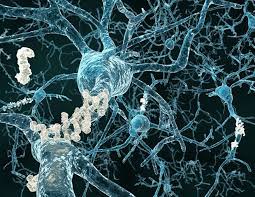
A lack of sleep could be a factor in dementia. In animal models, sleep deprivation stimulates amyloid accumulation and tau protein distribution and secretion, which aggregates in Alzheimer’s (AD). Sleep helps remove metabolic toxic wastes from brain cells.
The role of slow-wave sleep in the development of dementia is not clear. More studies are needed to understand dementia pathogenesis better and help develop treatment therapies.
The study
Researchers investigated in the current prospective cohort study the association between SWS, aging, and dementia risk. Researchers also examined whether hippocampal volume indicating early neurodegeneration or AD genetic risk (i.e., apolipoprotein E4 allele) was related to SWS loss.
This study involved 346 Framingham heart study (FHS), aged >=60, who underwent two overnight polysomnography assessments (PSGs) between 1995 and 1998 as well as between 1998 and 2001. The second polysomnography did not reveal any neurological or dementia disorders, such as multiple sclerosis. The data was analyzed from January 2020 to August 2023.
Study exposure was the change in SWS proportions based on overnight sleep assessments. The study outcome was the new-onset dementia risk assessed for = 17 years following the second polysomnography. The Rechtshaffen-Kales method was used to determine sleep staging sores in 0.5-minute epochs. To diagnose dementia, the Diagnostic and Statistical Manual of Mental Disorders (DSM-IV) was used.
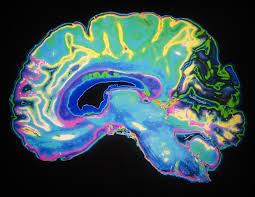
Before the second polysomnography, the hippocampal volume was determined by magnetic resonance imaging of the brain. To assess the risk of AD, 23 AD-linked polymorphisms were combined (except APOE). This resulted in a polygenic score.
The hazard ratios were calculated using Cox proportional regression modeling after adjusting for age and gender, Omni cohorts, and Offspring cohorts. Smoking status, the presence of at least one E4 allele, and medication used to improve sleep, such as antidepressants and anxiolytics, were also taken into account.
The sensitivity and moderation analyses were carried out by censoring two initial follow-up years, adjusting the oxygen desaturation and sleep apnea/hypopnea (AHI), and assessing the physical activity level using the Physical Activity Index.
The data were also adjusted to account for vascular load based on Framingham Stroke risk profiles, Epworth Sleepiness Scale scores (FSS), and total sleep duration between the first PSG and the second PSG. The researchers also explored the interactions between gender and rapid eye movement sleep (REM).
Results
The average participant age was 69. 52% of participants (n=179) were female, and 84% were white. The average time between the brain MR imaging test and the second polysomnography study was two years. At the start of the survey, the SWS percentage was 18%. The overnight sleep evaluations showed a link between aging and SWS reductions (mean reductions of 0.6 units per year).
In 17 years of follow-up, 52 cases of new-onset dementia were reported, 44 of which were AD-related. A reduction of SWS by a percent per year was associated with 27% and 30% increases in the risk for all-cause dementia and AD-related. SWS declines with age in AD genetic risks but not hippocampal volume near the initial PSG.
After a nominal acceleration at >=60, the rate of SWS decline peaked between 75 and 80 years old and then slowed down. REM sleep ratio and total sleep duration remained constant. The apnea/hypopnea scores and the number of wake-ups after sleep onset increased. However, sleep maintenance efficiency decreased. Individuals with a reduced SWS showed a greater likelihood of having cardiovascular disease, being an APOE e4-carrier, or taking sleep-affecting drugs.
The results of sensitivity analyses were similar, which indicates the robustness and reliability of the findings. The average reduction in SWS was twice as high in cases of new-onset dementia (-1.0 per year) than in non-cases. The link between SWS and dementia was not altered by gender or REM sleep.
In the causal mediation analysis, SWS percentage changes mediated 17.0% of the effects of apolipoprotein e4 positivity (vs. E3) on the risk of new-onset dementia. The indirect effects, however, were not significant (HR, 1.1).
Conclusions
The study results showed that SWS percentage decreased with age, AD genetic risk, and new-onset dementia, with greater decreases being associated with the risk of dementia. This suggests that SWS loss could be a modifiable dementia risk factor. The APOE e4 gene was independently associated with a higher proportion of SWS.
Increased SWS loss, however, was associated with increased dementia risk, regardless of the apolipoprotein e4 status. Future studies may investigate the relationship between SWS and amyloid-b or tau accumulation and whether SWS improvement could prevent cognitive decline and neurodegeneration in high-risk individuals.