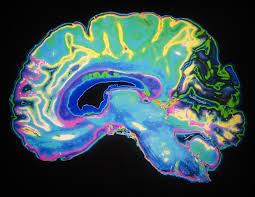
The study showed that gum disease or tooth loss was linked to brain shrinkage within the hippocampus. This area is essential for memory and Alzheimer’s. The study doesn’t prove that tooth loss or gum disease causes Alzheimer’s; it just shows an association.
Satoshi Yamaguchi, Ph.D., DDS of Tohoku University, Sendai, Japan, said: “Tooth loss, gum disease (inflammation of the tissues around the teeth) can cause shrinkage and loosening the teeth. It is important to evaluate a possible link with dementia.” Our study revealed that gum disease and tooth loss may impact the area of the brain that controls memory and thinking. This is another reason for people to take better care of their teeth.
The study included 172 participants with an average age of 67 who had no memory problems when the study began.
The participants were given a dental exam and memory tests to complete at the start of the study. The participants also underwent brain scans at the beginning of the study and then again four years later to measure the volume of the hippocampus.
Researchers counted each participant’s teeth and then checked for gum diseases by measuring the periodontal probing, a measurement of gum tissue. Healthy readings range from one to three micrometers.
The depth of the probe is measured in millimeters. Severe gum disease can result in bone loss, tooth loosening, and eventual tooth removal.
Researchers discovered that changes in the left-hand hippocampus brain were linked to the number of teeth, the amount of gum disease, and the amount of decay.
In people with mild gingivitis, having fewer teeth is associated with a higher shrinkage rate in the left hippocampal region.
For people with severe gum diseases, having more teeth is associated with a higher rate of brain shrinkage.
Researchers found that after adjusting for the age they found for people with mild gum diseases, the increase in brain shrinkage rate due to one tooth less was equivalent to almost one year of brain aging. For people with severe gum diseases, the rise in brain shrinkage caused by one extra tooth equals 1.3 more years of brain aging.
Yamaguchi stated, “These results emphasize the importance of maintaining the health of teeth, and not only retaining teeth.” The findings suggest keeping teeth with severe gum diseases is linked to brain atrophy. Regular dental visits are crucial to controlling the progression of gum diseases. Teeth with severe gum disease might need to be removed and replaced with prosthetic devices.
Yamaguchi stated that future studies with larger groups are required. The study was also limited because it was only conducted in a single region of Japan. This means the results might only apply to some places.
The study was funded by the Japanese Ministry of Education, Culture, Sports, Science and Technology, Keio University, Japan Arteriosclerosis Prevention Fund, Japanese Ministry of Health, Labor, and Welfare, Teikyo University, Pfizer Japan, Bayer Yakuhin, Chugai Pharmaceutical, Daiichi Sankyo, Astellas Pharma, Takeda Pharmaceutical, Health Care Science Institute, Health Science Center, and Takeda Science Foundation.