A recent study, aided in part by Tokyo Tech’s World Research Hub Initiative, found that gene expression in the apicoplast (an organelle of the malaria parasite Plasmodium Falciparum) is controlled by melatonin, the circadian signaling hormonal in the host blood and by intrinsic parasite signals, via a component called ApSigma. This study’s regulatory system could be used as a target in the future for malaria treatment.
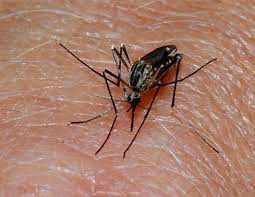
Malaria is a significant public health risk. Around 240 million people contract it each year from around the world. This life-threatening illness is not contagious. The malaria parasite Plasmodium Falciparum is transmitted through the bite of an Anopheles female mosquito. The parasite infects the body via a mosquito bite, causing symptoms such as fever, fatigue, and highly periodic headaches. This periodicity can be attributed to the parasite’s cycle synchronizing with the circadian clock of the infected individual or host.
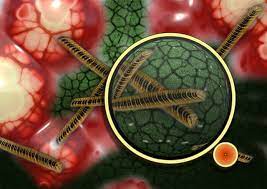
P. Falciparum has an apicoplast. This unique cellular organelle contains its DNA and is essential for the parasites’ life cycle. Although apicoplasts are important, little is known about their mechanisms of gene expression and how they may modulate the periodicity of symptoms of malaria or the life cycle of P. Falciparum. To better understand the mechanisms that regulate apicoplast expression, a group of scientists led by Professor Kan. Tanaka of the Tokyo Institute of Technology undertook an extensive research project. The research, which was published in Proceedings of the National Academy of Sciences of the United States of America, involved collaboration between Professor Kiyoshi K. Kita of Nagasaki University and Professor Antony N. Dodd of the John Innes Centre, UK, who is also a visiting professor in Tokyo Tech.
Previous studies have shown specific plant subunits are involved in the circadian control of gene expression within plastids, i.e., organelles such as the apicoplast. The present study hypothesized, therefore, that a nuclear-encoded s-subunit could coordinate apicoplast gene expression with the P. “Professor Tanaka explains that the apicoplast gene expression may be blended with P. falciparum’s life cycle or its host’s circadian rhythm.
The team cultured P. The team cultured P. They identified ApSigma as a nuclear-encoded subunit of apicoplast polymerase. Along with the a-subunit, it likely mediates the accumulation of apicoplast transcriptions, whose periodicity is similar to parasite development control. The apicoplast transcript and the expression of the subunit gene apSig increased when melatonin was present, a circadian hormone in the host blood.
Scientists believe that the host’s circadian rhythm is integrated with the intrinsic cues of the parasite. Together, they control genome transcription in P. falciparum. This study lays the foundation for future studies that aim to explain the regulatory mechanisms of the Plasmodium cell cycle.
Prof. Tanaka concludes by highlighting the future implications of this research. Every year, malaria kills hundreds and thousands of people around the globe. This study identifies regulatory systems that could be used as a target in the future for malaria treatment.
Professor Dodd adds, “It’s amazing that we found a similar mechanism in an important pathogen that is globally prevalent.” The newly identified protein and mechanism could be a target for developing drugs to treat or prevent malaria in humans and farm animals.
Professor Kita ends on a high note. He says, “This research shows the importance of international and inter-disciplinary collaboration and the power that plant sciences and microbiology have to make unusual and novel discoveries which could be of great global benefit.”