

A new study in the UK and US found that adults who shout at, denigrate, or verbally threaten children can have as much impact on their development as physical or sexual abuse. The study published in the Journal of Child Abuse and Neglect reviewed 166 previous studies to provide a detailed review of the literature. To […]

Brain biometrics helps identify sports concussions
Researchers found that ‘headpulses,’ or changes in brain micromovements, could be used to detect the long-term effects of trauma. Researchers in South Australia used a specially designed headset* for evaluating head pulse data among 101 amateur male and women Australian Rules Football athletes. They found abnormal brain activity in 81%, indicating that the concussions were more severe […]

U.S. POINTER study reveals how lifestyle changes could help to protect against memory loss
The article, published in the journal Alzheimer’s & Dementia, provides details about a crucial United States Study on Protecting Brain Health through Lifestyle Interventions to Reduce Risk (U.S.POINTER). The U.S. PoINTER study is being conducted to confirm and extend the results of the Finnish Geriatric Intervention Study (FINGER) to Prevent Cognitive Imbalance and Disability in Americans. […]
Poll: 67% Parents report that their children suffer from poor air quality
ANN ARBOR (Mich.) – A new national survey suggests that many parents are concerned about the health of their children as smoke from Canada’s wildfires causes poor air quality alerts throughout the country. According to the University of Michigan Health C.S., two-thirds of parents have reported that they experienced poor or unhealthy air in their […]

What’s in your mouthwash, really? Turkish study reveals the truth about minty mouthwash.
Researchers in Turkey have published a study in the International Dental Journal that analyzes the relative proportions of the mouthwash ingredients available at large retail outlets and pharmacies in Turkey. Background The majority of commercial mouthwashes contain antibacterial, antimicrobial, and antioxidant ingredients that fight dental plaque accumulation, the main cause of periodontal and dental caries. Some mouthwash […]

Teachers can be the secret weapon to fight childhood obesity.
In a recent study published in the journal Nutrition, the role of educators in combating childhood obesity was examined. In the United States, childhood obesity is a growing epidemic. The rate of childhood obesity is increasing slowly, but it is growing rapidly in underserved areas. Resources from the local, state, and federal health agencies are focusing […]

Polish gulls carry new coronaviruses, highlighting the role of avian evolution.
Researchers have published a new article in the journal Scientific Reports that describes five strains of gammacoronaviruses and deltacoronaviruses detected in Poland in black-headed ( Chromoicocephalus ribundus ) and common ( Larus spp. Gulls. Background The Orthocoronavirinae is a subfamily of the Orthocoronavirinae. It consists of Alpha, Beta, Gamma, and Deltacoronaviruses. gCoVs and dCoVs infect wild bird species. The goods are […]

COVID-19 and Genetic Disorders: New clues on how SARS-CoV-2 uses Fragile X to fuel infection
A recent study published on the BioRxiv Preprint* server investigated interactions between SARS-CoV-2 nonstructural proteins 3 (NSP3), fragile X mental retardation protein (FMRPs), and their contribution to COVID-19 (coronavirus disease) pathophysiology. Stress granules are large protein-ribonucleic acid (RNA) assemblies essential for viruses to replicate within host cells. The granules, composed of ribonucleic acid-binding protein molecules such as […]

What should we do about ultra-processed foods during pregnancy?
It is easy to conduct a randomly controlled trial in which one group of pregnant women is given the Mediterranean diet while the other is not. It’s not ethical to feed pregnant women ultra-processed food to see what happens. A low-quality diet in pregnancy and postpartum is linked to various poor health outcomes for both the mother and her […]
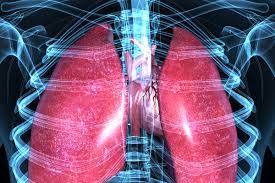
Global redefinition for Acute Respiratory Stress Proposed
Sept. 5, 2023 – A global consensus conference of 32 experts in critical care with a broad international representation and diverse backgrounds proposed a definition of acute respiration distress syndrome (ARDS). Essential societies of care around the globe also provided feedback, along with the 32 experts. Based on the Berlin Definition of ARDS from 2012, the report […]