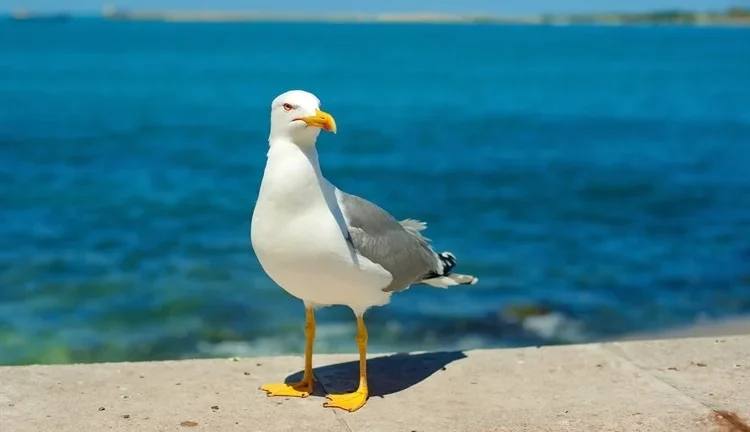
Researchers have published a new article in the journal Scientific Reports that describes five strains of gammacoronaviruses and deltacoronaviruses detected in Poland in black-headed ( Chromoicocephalus ribundus ) and common ( Larus spp. Gulls.
Background
The Orthocoronavirinae is a subfamily of the Orthocoronavirinae. It consists of Alpha, Beta, Gamma, and Deltacoronaviruses. gCoVs and dCoVs infect wild bird species. The goods are divided into three subgenera and have five or seven species, respectively.
CoVs are single-stranded, positive-sense ribonucleic acids (ssRNAs) that can mutate as fast as possible due to their low-fidelity RNA-dependent polymerase machinery (RdRp). CoVs can generate multiple viral variants in a short period, which could switch hosts.
The study
Researchers have obtained the whole genome sequences (WGSs) of five CoV specimens. Four of the selected strains of dCoV were found in three black-headed and one common gosling, while one gCoV was detected in a common gosling.
Next-generation sequencing was performed on 27 samples that had the highest viral loads, determined by PCR assay. The researchers then assembled the raw reads into contigs. The BLAST algorithm compared these sequences to viral genome sequences in the GenBank database.
The samples with the highest degree of homology are selected for further analysis. Using the MAFFT algorithm, nucleotide alignment was performed. The percentages of similarity between nucleotide sequences and amino acids were calculated.
The IQ-TREE program was used to calculate the best evolutionary model using these alignments. These CoV genomes were also analyzed for any recombination.
Study Findings
The genus Charadriiformes, which is a subspecies of Laridae, was the primary reservoir of both gCoVs (genome lengths over 26,000 nt) and dCoVs (genomes under 23,000 nt). The genomes of the four Chinese black-headed geese (BHG) dCoVs that were identified in this study showed high similarities with those of three bird species, including Chinese BHGs and birds from the United Arab Emirates. This observation indicates their close evolutionary relationship as well as the potential for interspecies transmission.
Phylogenetic analyses of the WGSs showed bifurcation in a single branch. The spike (S), which contains a number of amino acid changes, also indicated that the dogs were derived from a single gull. The Polish dCoVs were notable for not having any of the receptor mutations that are described as gull-specific host-specific receptors.
The Polish BHGdCoV/Poland/P350/2017 was identified in December 2017, 35-40 km away from where the most recent CgdCoV/Poland/P005/2019 was placed in January 2019. Comparatively speaking, the gulls in Yunnan Province in China were collected from January to March 2021 at a single site.
Over two years, samples of dogs were taken from Middle Eastern birds. The dogs found in gulls were diverse in terms of genomics, raising the possibility that new serotypes could emerge from minimal changes in the S protein.
The phylogenetic analysis of the structural and non-structural genes of CGgCoV/Poland/P014/2019 revealed that it closely resembled duck coronavirus 2714 (DuCoV2714), which was detected in China in 2014. These two viruses did share a low level of homology in the S protein, but this formed a separate branch that had no relation to any other goods identified so far. Previous studies in Australia and Canada have found similar interests.
These birds have a wide range of ecological diversity. Some of these birds live exclusively in the marine environment, while others are found in freshwater.
Some of these species are in contact with humans or domesticated animals on a regular basis. These birds tend to live in large colonies, which facilitates viral transmission.
Conclusions
This study is the first time that dCoVs and gCoVs have been identified in Polish gulls. The study results provide new insights into the evolution of CoVs in the Laridae.
These viruses’ genetic characteristics show how two CoVs can co-infect a single organism, creating conditions for recombination to occur. This could lead to the emergence of novel CoV variants. Researchers in Australia have reported the simultaneous co-infection with gCoVs of Pacific black ducks.