

The first Australian biocontainment center is designed to contain and safely treat patients with infectious and dangerous diseases. The NSW Biocontainment Centre is a highly specialized facility located in the Westmead Health Precinct. It was built to provide care for adult and pediatric patients with infectious diseases of high consequence (HCIDs), such as Ebola and […]
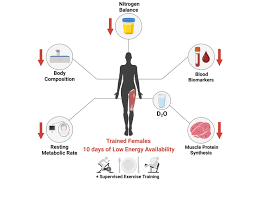
Low Energy Intake Impacts the Performance of Female Athletes.
Aarhus University has released a new study that shows that female athletes reduce their energy intake while increasing their training, negatively impacting their health and ability to respond to the movement. If you want the best results, diet, and training must go hand-in-hand. Many athletes know this and closely monitor their activity and energy intake. […]
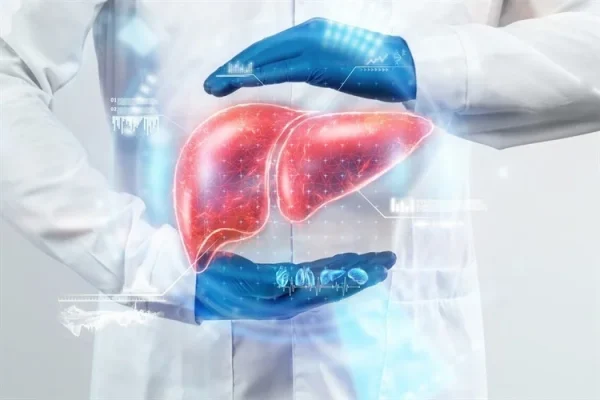
Screening with CRISPR/Cas9 identifies potential treatments for non-alcoholic liver disease.
Non-alcoholic Fatty Liver Disease is characterized by an excess accumulation of lipids within the hepatocytes. NAFLD progresses from the fatty liver into non-alcoholic steatohepatitis. NAFLD is a severe disease affecting the quality of life and healthcare services. It is, therefore, essential to find effective treatments. Background Western diets, high in sugar and fat, increase obesity which, in […]

The study dispels the myth that opioids are ineffective for acute back pain.
Researchers conducted a randomized-controlled trial (RCT) published in The Lancet in 157 primary care and emergency departments (EDs) sites across Australia. This was the first study to compare opioids with a placebo in treating acute neck and low back pain. Background Few RCTs have assessed the use of opioids in patients with acute or lower back pain […]

Cardiovascular disease can be increased by not brushing your teeth at night.
Researchers in a study published in Scientific Reports determined if the frequency of patients brushing their teeth increased the risk of cardiovascular disease (CVDs). Background In previous studies, oral care was emphasized in patients with respiratory, gastrointestinal, and cardiovascular diseases and malignant cancers. These reports have focused mainly on the timing of brushing teeth about demineralization. These […]

Leading SA: UT Health San Antonio infectious diseases specialist discusses Measles and Malaria risk in Texas.
SAN ANTONIO – The Texas Department of State Health Services has confirmed that it is aware of a case of Malaria. Many people are confused because no infected insects have been discovered. Leading SA invited Dr. Jason Bowling from UT Health San Antonio to talk about what’s happening and what parents should know. Malaria is not […]
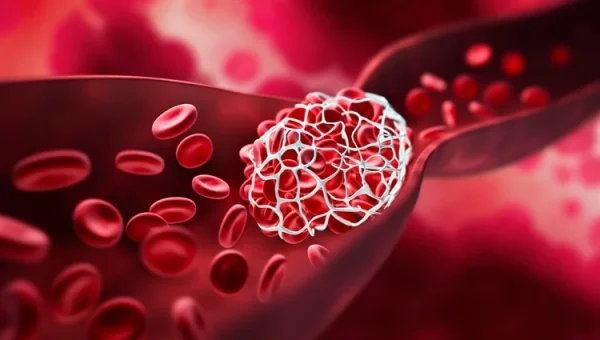
COVID-19 severity is linked to autoantibodies that attack blood clotting proteins
Researchers conducted prospective observational research in three German healthcare centers to better understand the impact of ADAMTS13 during the coronavirus 2019 (COVID-19). Background ADAMTS13 (von Willibrand-factor-cleaving protease) cleaves VWF to prevent ultra-large VWF polymers. ADAMTS13 is required to avoid thrombocytic thrombocytopenic Purpura, a rare but life-threatening blood disorder often treated by plasmapheresis. Recent studies have […]

Antibiotic resistance is fueled by inappropriate antibiotic use among low- and middle-income countries.
In low-and middle-income (LMIC) countries, children are often given inappropriate antibiotics. This is a significant cause of antimicrobial resistance (AMR). The burden of infections caused by AMR-positive pathogens is disproportionately heavier on young children, and they can be more expensive and difficult to treat. The impact of AMR on the microbiome, its selection, persistence, and […]

In Australia, birth-related PTSD has been strangely ignored.
According to a study by University of Sydney psychology students, about a third of Australian mothers experience traumatic childbirth. One in eight of these women had symptoms related to posttraumatic stress. The routine screening and care for mental health during pregnancy in Australia is minimal. “It only looks at postnatal and antenatal depression with some […]

Researchers Find Pandemic FOMO Has Mental Health Consequences For Older Adults
According to a study by Rice University and Baylor University, the fear of missing out on social events ( FOMO ) may have adversely affected the mental health of adults at high risk of severe diseases during the COVID-19 epidemic. The article “Fear of Missing Out and Depressive Symptoms during the COVID-19 Pandemic” has been published in […]